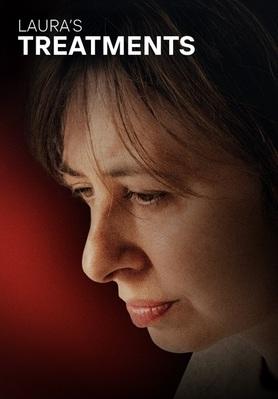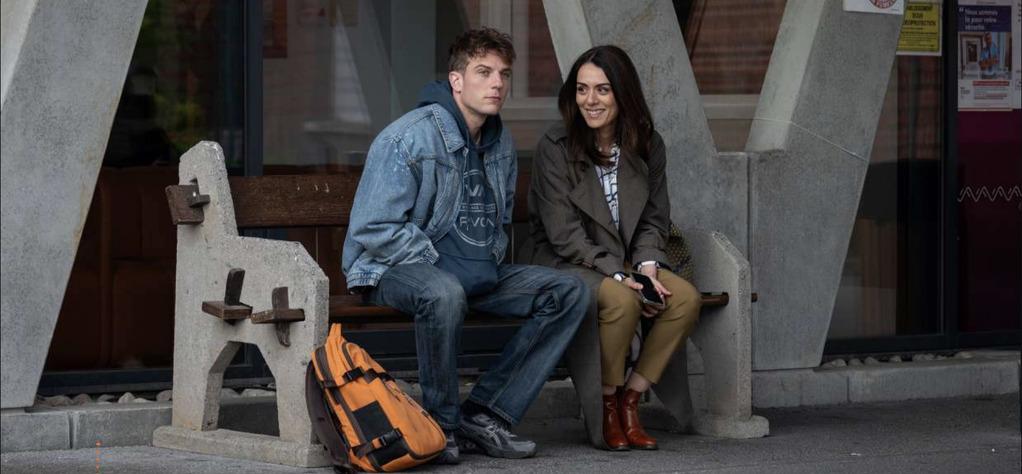
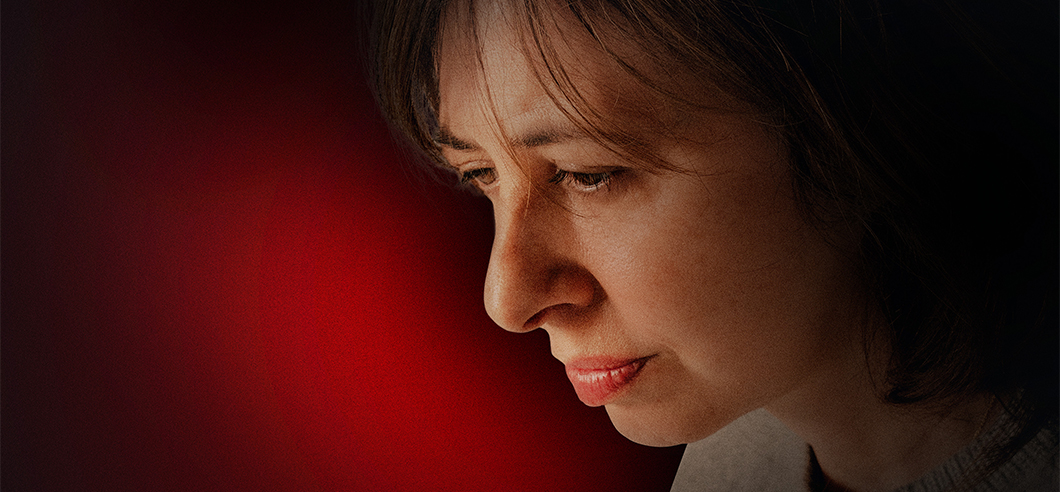

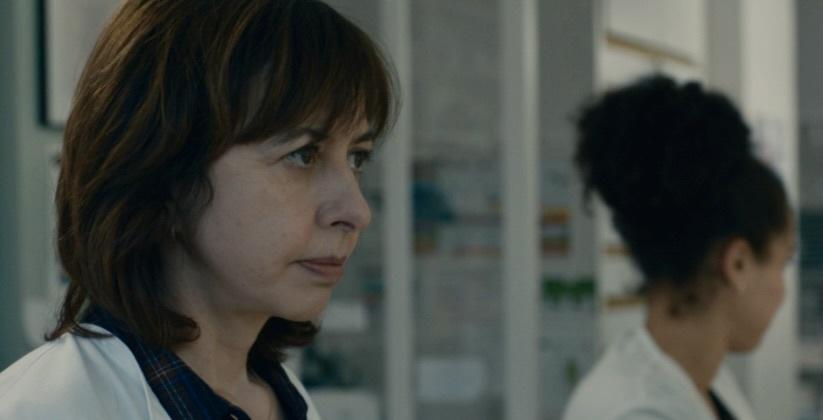
Winner of the Best Drama Series award at the 27th Festival de la Fiction de La Rochelle last September, Laura’s Treatments stands out as a powerful social thriller. The series tackles head-on a subject rarely explored in fiction: collective responsibility and institutional powerlessness in the face of femicide and violence against women. Powerfully portrayed by Valérie Bonneton, it follows Laura—a pharmacist and mother, founder of an association that helps women who are victims of violence—who, faced with the inaction of the police and the justice system, ends up resorting to violence herself to protect others. Created and written by Marie Kremer and Frédéric Krivine, and directeed by Akim Isker, this four-episode, 52-minute miniseries has been airing since January 22, 2026, on HBO Max in France and Belgium, and will air on France Télévisions starting February 19.
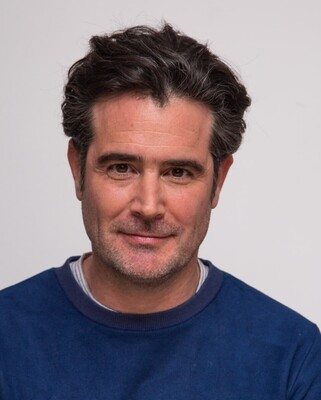
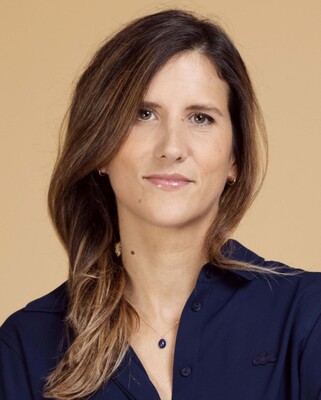
To mark the broadcast, Léa Gabrié and Emmanuel Daucé, producers at Tetra Media Fiction (Groupe TM Studios), and Julia Schulte, Head of International Sales at France tv distribution, look back on this groundbreaking and highly committed project with strong international appeal.
Unifrance: The series tackles feminicide and violence against women through the issue of collective responsibility, or even powerlessness, taking the form of a social thriller. What motivated you to take on this project?
Léa Gabrié & Emmanuel Daucé: This project, created by Marie Kremer and Frédéric Krivine, was essentially radical in nature. It took a fresh look at a subject we think we know all about. By hearing about it constantly on the radio, on the news, and in articles, we think we understand what violence against women and femicide are, but in reality there is a lack of information and underrepresentation. In carrying out this project with the support of France 2, the idea was not to shock, but neither was it to sugarcoat. There was a bias that could not leave anyone indifferent.
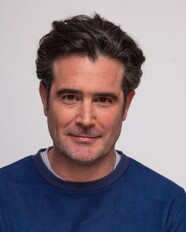
Julia Schulte: At France tv distribution, we fully support the decision to tackle this social issue. Although it has been addressed before, it has never been done in this way in a series. The project won us over from the moment we read it, thanks to the high quality of its writing, and then completely captivated us when we watched it. It's a deeply moving drama, carried by powerful and gripping storytelling, as well as remarkable realism in the actors' performances and dialogue.

This issue affects societies around the world to varying degrees. Which aspects of the series do you think are most likely to resonate internationally?
Julia Schulte: Our European buyers, like us and the entire France tv group, are particularly committed to defending women's causes. In the series Laura’s Treatments, this dimension is all the more striking as it features a courageous woman who, in her own way, becomes a committed activist in this fight. Her actions raise genuine moral questions, spark heated debate, and offer real potential for audience engagement—in my opinion, this is one of the series' great strengths.
Léa Gabrié & Emmanuel Daucé: This series has already been well received abroad, as everyone can identify with Laura, an ordinary woman who rejects the unbearable, regardless of cultural circumstances. It reminds us of the Spanish series Querer or Maid in the United States. They deal with social issues with such delicacy and empathy that they revolt us as much as they move us.
Laura's character is an ordinary woman who is outraged by violence against women. Was this choice made to encourage audience identification, until the moment when she herself resorts to violence?
Léa Gabrié & Emmanuel Daucé: Yes, you could say that, in a way, Laura is a France Télévisions viewer who witnesses a femicide and then finds herself powerless in the face of Camille's impending death... Like Laura, this viewer has no choice but to take action.
Laura is portrayed with sensitivity and accuracy by Valérie Bonneton, whom we discover here in a new light, far from her comedy roles. How did this casting choice come about?
Léa Gabrié & Emmanuel Daucé: It was initially an idea from director Akim Isker, which immediately clicked with all of us: screenwriters, broadcasters, and producers. Valérie Bonneton, who has been a familiar face in French households for many years, particularly thanks to her role as Madame Lepic in Fais pas ci, fais pas ça, struck us as the perfect actress to play this woman who is so close to the audience and who can no longer tolerate violence against women.
And we all had a feeling that Valérie, who's a terrific comedy actress, would demonstrate through this role that she is, quite simply, a great actress.
The series realistically depicts the daily lives of local women's support groups. Can you tell us about the research that went into the script and staging?
Léa Gabrié & Emmanuel Daucé: From the very early stages of writing, the writers contacted various organizations, and Marie Kremer attended several meetings with groups in Marseille. Then, to prepare for filming, Akim Isker met with groups such as Inform’elles in Metz and Arélia Asso in Nancy, the cities where we shot the series. Some of the women from these organizations ended up acting in the series, within the organization Laura creates, Women Standing Tall.
Available since January 22, 2026 on HBO Max (France, Belgium), then on france.tv from February 19, 2026, how has the series been received so far and what are your international ambitions?
Julia Schulte: We're very proud of our partnership with HBO Max for Laura’s Treatments, which is further proof of the series' quality and originality. It has already been sold to several particularly demanding European broadcasters, and we are convinced that it has strong potential to appeal to both linear broadcasters, public and private, and platforms (announcements to follow...).
Léa Gabrié & Emmanuel Daucé: The series has been received in a way we have rarely seen before. We are fortunate to have the support of a very positive press, from all sides and all walks of life, which shows that this subject transcends divisions. Since its broadcast on HBO, the public has been sharing extremely moving testimonials, which are likely to increase with its free-to-air release on the France Télévisions platform.
© Raoul Gilibert - France Télévisions - Tétramédia