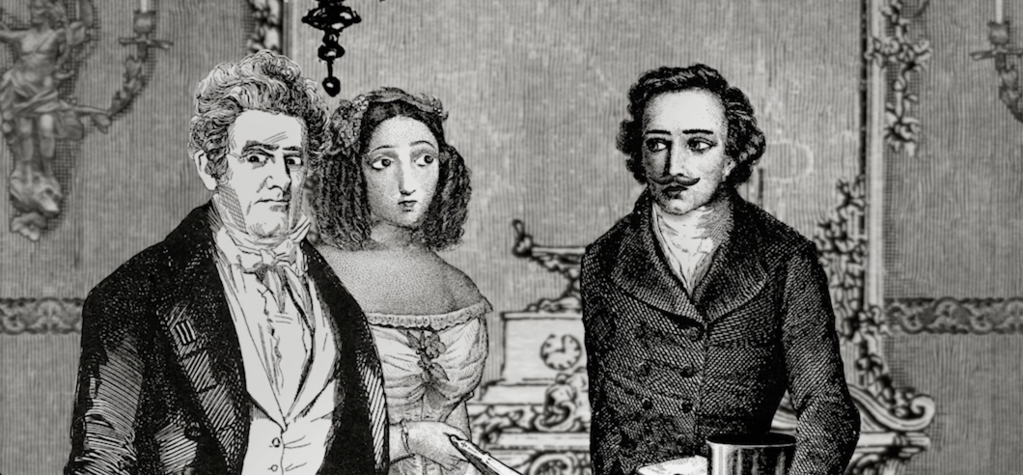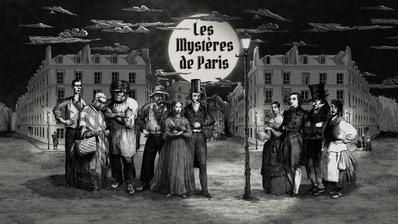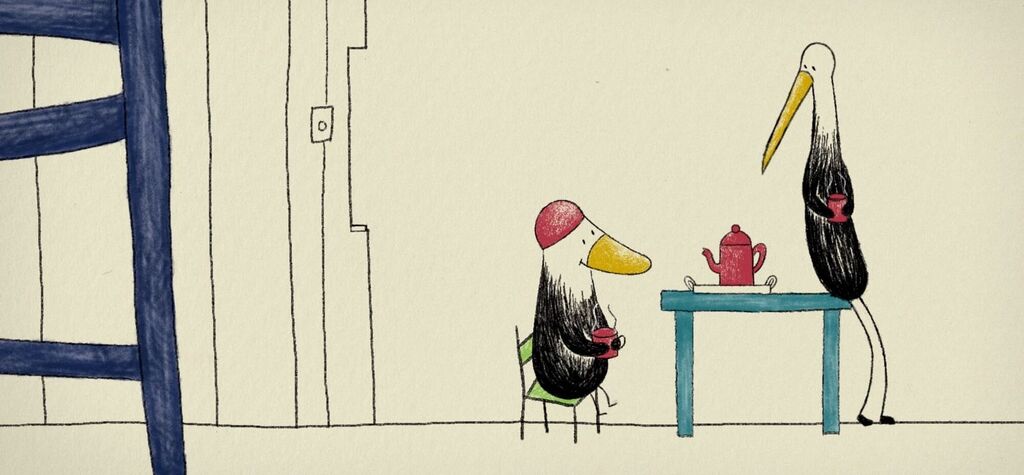
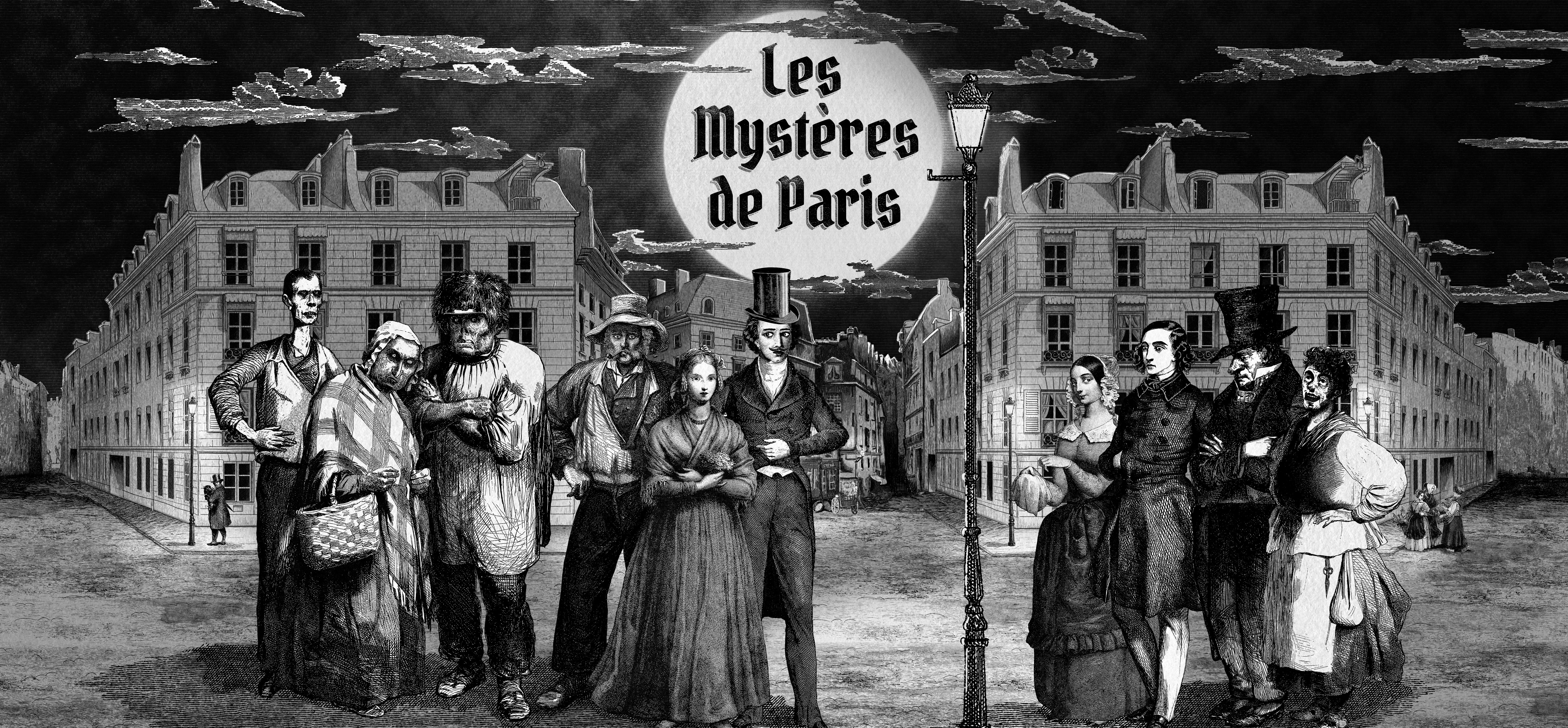

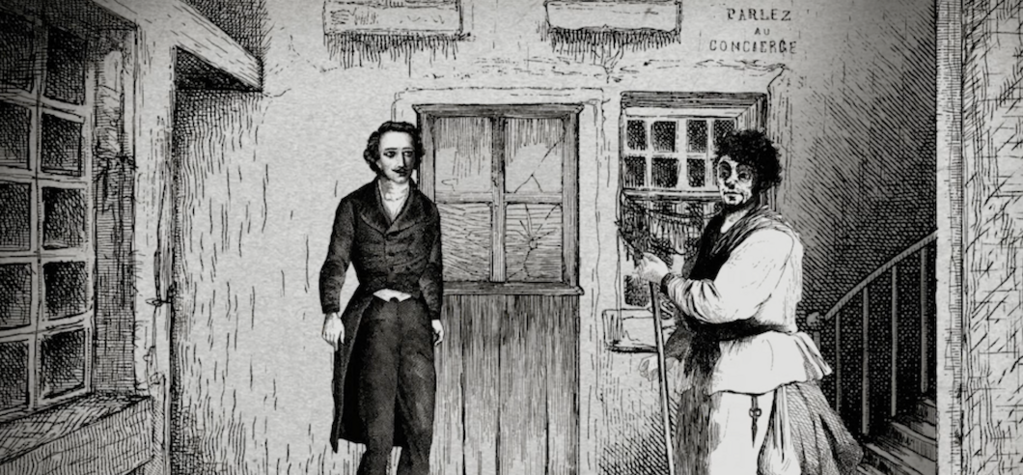
Adapted from Eugène Sue's famous novel, The Mysteries of Paris is a 2D animated series imagined by Véronique Puybaret and Matthieu Dubois, produced by La Curieuse. Based on black-and-white engravings from vintage editions, the series consists of 40 short 3-minute episodes that recount Rodolphe de Gerolstein's investigation into the disappearance of his cousin in 1840s Paris. Narrated in voice-over, the series blends fiction with documentary elements—geographical, historical, literary, and artistic—offering a glimpse into pre-Haussmann-era Paris.
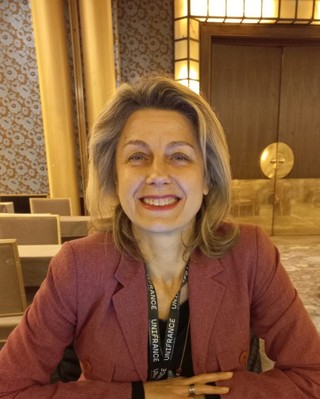
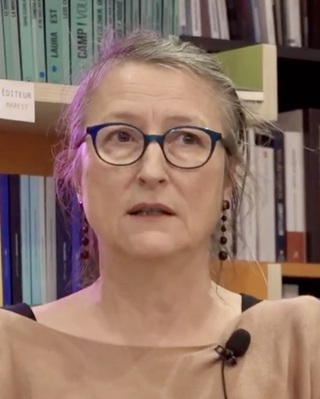
Creator, screenwriter, and director Véronique Puybaret, along with Gini Lorin, distributor at Script Line, look back on the challenges of this ambitious adaptation and its international aspirations.
Unifrance: The Mysteries of Paris is a series adaptation of Eugène Sue's novel. What are the main constraints or freedoms involved in adapting such an iconic work?
Véronique Puybaret: There were relatively few constraints. The narrative power of the novel and the fantasy of its characters guided the choices made by my co-writer Lucile Prin. We added a narrator to facilitate the management of this narrative profusion. The aim was to pay tribute to Sue's work, while making it accessible.
The series uses 2D cut-out animation based on black-and-white engravings from the period. Was this aesthetic choice envisaged from the outset? What were the main challenges of employing a technique that is still relatively uncommon in the audiovisual landscape?
VP: I was lucky enough to discover the book in an old edition that was entirely illustrated with period engravings (Edition Charles Gosselin, 1843). The choice of 2D cut-out animation was part of the initial concept, after Matthieu Dubois, the series' graphic designer and adapter, confirmed that it was possible to animate these engravings.
You offer two viewing formats: 40 short episodes lasting around three minutes, and two episodes lasting 53 minutes. What motivated this dual format?
VP: The project was conceived from the outset as a serialized format, echoing the original serialized novel, emblematic of the popular literature of the time, which was first published in the press. The 2 x 53-minute format was produced at a later stage, at the request of France 3 Ile-de-France, which wanted to broadcast it in this form for the end-of-year holidays.
The series blends fiction with documentary elements of a geographical, historical, literary, and artistic nature, allowing viewers to discover Paris before Haussmann radically transformed the city. In your opinion, what are the main elements that make this adaptation particularly exportable abroad?
VP: Eugène Sue's novel is deeply rooted in historical Paris. It was an integral part of the project to include light but educational documentary asides. Knowing that it could be of interest to English-speaking audiences, we took particular care with the English subtitles.
Gini Lorin: The city of “Paris” in the title immediately sparks interest. Next, I highlight the technical ingenuity, which encourages viewers to watch the trailer. If the broadcaster is looking for educational programs, the historical references are a strong selling point. The short format allows for use on all types of media: platforms, YouTube channels, FAST channels.

Beyond its educational value, the themes addressed in the series—such as the exploitation of poverty and the resorting to violence—are very prominent. Although initially intended for a teenage audience, do you think the series could appeal to a wider audience?
GL: Yes, absolutely. Unfortunately, the themes addressed remain very relevant today, particularly gratuitous violence. It's easy to imagine that the series could encourage dialogue between parents and teenagers and raise awareness of the consequences of this violence.
The series has enjoyed significant international exposure, thanks in particular to the Institut Français and its selection by Animation First in 2022 in New York. How has this helped to strengthen its international recognition?
GL: These are references that attest to the quality of the program. Animation First is the only festival dedicated to French animation in New York. It promotes innovative and unique programs in the fields of education and the arts. The Institut Français, meanwhile, organizes screenings at embassies and cultural centers in various countries. The program has thus been viewed in the United States, India, Turkey, Brazil, Libya, Iraq, and elsewhere.
The series is broadcast on several platforms. In France, it is available on TV5MONDEplus. Lumni, France Télévisions' educational platform, has expressed interest. Abroad, the program is available on SamsungTVPlus and Gan Jing World. Can you tell us about the series' international journey? And what are your ambitions for the future?
GL: I've reached the end of the first broadcaster's run. TV5MONDEplus bought the short format and is actively promoting it, which we are delighted about. For example, the program was broadcast on the YouTube TV5MONDEplus channel from July 5 to August 29, with two episodes per week. Then came SamsungTVPlus and Gan Jing World, encountered at MIPCOM. I am currently looking for new opportunities, particularly in Asia.