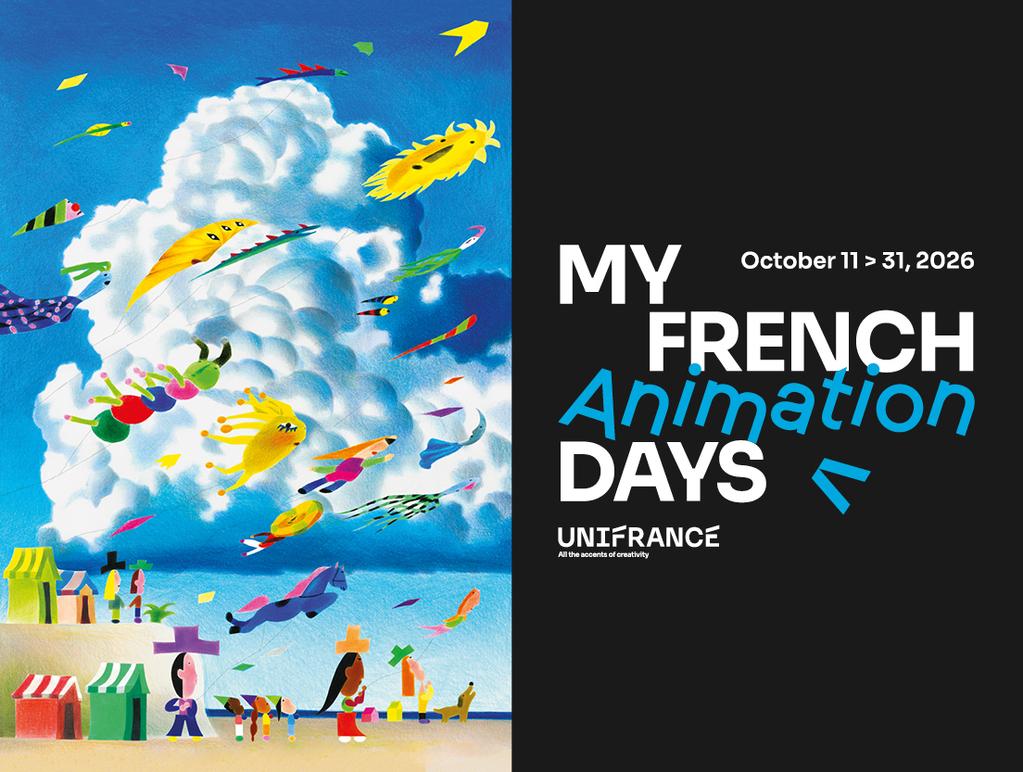
For the past three editions, MyFrenchAnimationDays (MyFAD), organized by Unifrance, has been showcasing the creativity of French animation and its industry to international audiences. This is being done with the support of its partners, particularly its distributor, producer and animation exporter members.
The dates
The event will center around World Animation Day (October 28), organized by the ASIFA (Association internationale du film d'animation), and will take place from October 11 to 31, 2026, dates of the Fête du cinéma d’animation in France piloted by the AFCA (Association française du cinéma d’animation).
The program
The MyFrenchAnimationDays project consists of three key aspects aimed at all ages and the general public.
Introductory workshops in elementary and middle schools
For elementary and middle schools (targeted at children ages 3 to 14) to help them learn while having fun, explore while stimulating their curiosity, and develop their own imagination.
Each participating teacher or class will receive an educational kit designed by Unifrance in collaboration with an activities specialist who regularly works with young students. This kit includes:
One episode from each series for screening in the classroom
Educational videos explaining what goes on behind the scenes in the making of these series
Educational worksheets to guide teachers
A contest
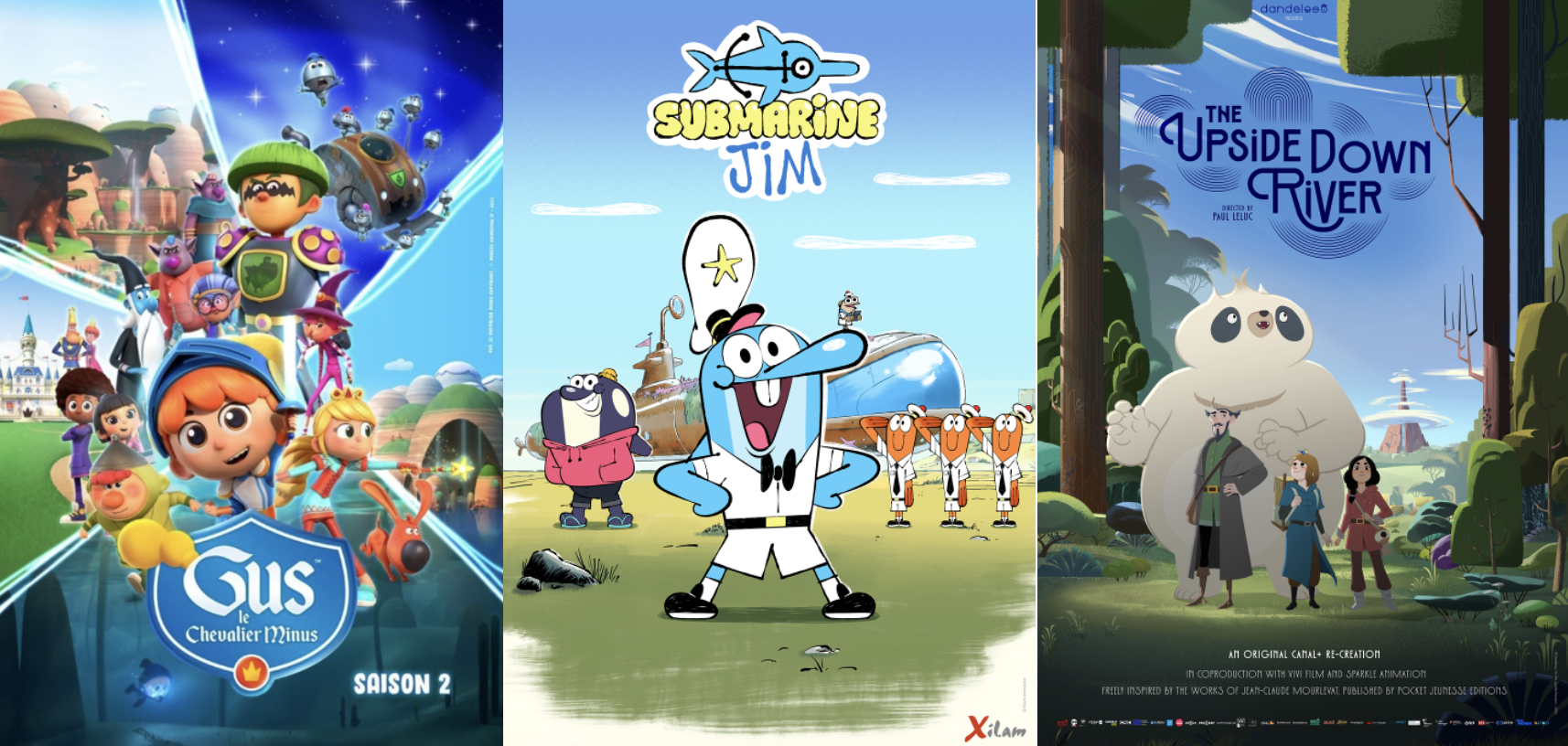
The series featured in the 3rd edition are as follows:
Gus, The Itsy Bitsy Knight
Submarine Jim
The Upside Down river
Online talk
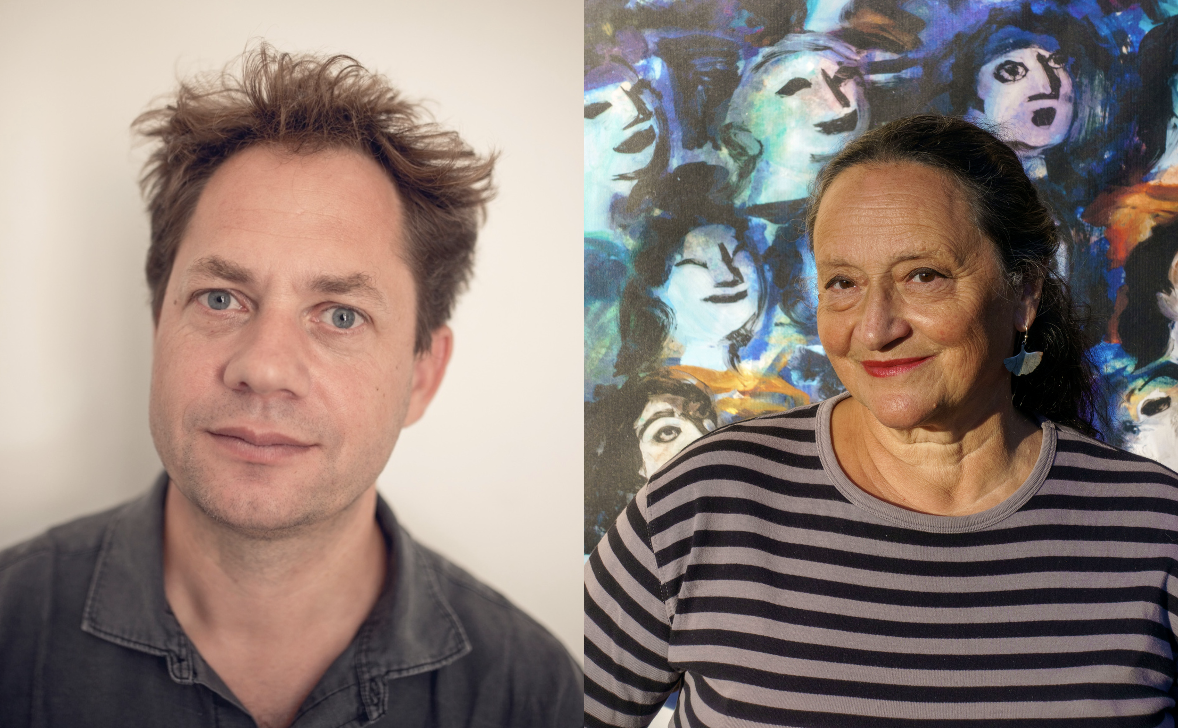
Open to the general public, including students and professionals. A discussion in French, moderated by Daniela Elstner, Executive Director of Unifrance, will be held live online on October 29, 2026, at 2:30 p.m. (UTC+2).
• FRENCH ANIMATION TAKES ON THE WORLD •
What role do French animated films play on the international stage?
Daniela Elstner, Executive Director of Unifrance, will speak with Ron Dyens, producer at Sacrebleu Productions—who notably produced Flow, winner of the Oscar for Best Animated Feature and numerous other awards—and Florence Miailhe, director of, among other works, the short film Butterfly, nominated for an Oscar for Best Animated Short Film and winner of the Crystal Bear from the Youth Jury at the Berlinale and the André-Martin Award for Best French Short Film at the Annecy International Animation Film Festival.
The two will discuss their career paths, their creative experiences, and strategies for the export and international distribution of animated films.
REGISTER HERETO ATTEND THE ONLINE TALK
Special screenings
In-person screenings in theaters around the world will be organized between October 30 and the end of the year, by local distributors in several European countries. These screenings are open to all audiences and will involve festival premieres as well as national releases.
The scheduled special screenings:
Asterix - The Kingdom of Nubia: 🇪🇪 Estonia, 🇱🇻 Lativia, 🇱🇹 Lituania
Viva Carmen: 🇬🇧 Great Britain (French Film Festival London)
Jim Queen: 🇬🇧 Great Britain (French Film Festival London)
Iron Boy : 🇬🇧 UK (French Film Festival London), 🇪🇸Spain
An online screening in partnership with Villa Albertine as part of the CinéSchool programme, aimed exclusively at French teachers in the United States:La Vie de château - Mon enfance à Versaillesby Clémence Madeleine-Perdrillat and Nathaniel H'Limi
Additional special screenings may be added.
Unifrance extends its warmest thanks to the partners of the 3rd edition of MyFrenchAnimationDays: The République Française, CNC, Institut français, Association Internationale du Film d'Animation (ASIFA), Association Française du Cinéma d'Animation (AFCA), Fête du cinéma d'animation, Annecy International Animation Film Festival.
Contact Unifrance – European & Innovation Projects department: [email protected]
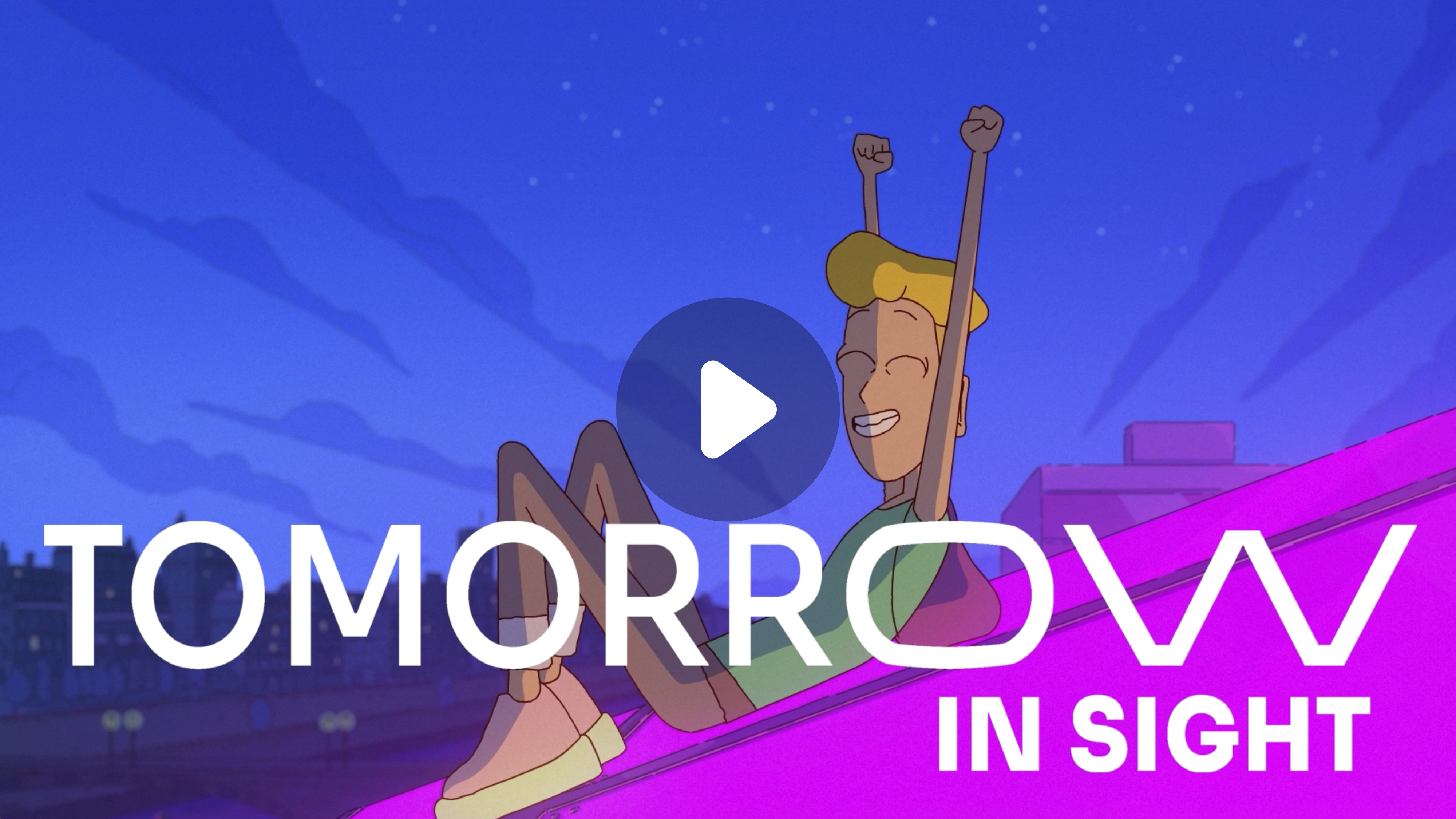
Unifrance, with support from the Ministry for Europe and Foreign Affairs, announces the seven winning works of theTomorrow in Sight2026-2027 label. Through this program, the Ministry and Unifrance aim to highlight the creativity of a young generation of artists whose stories capture the shifts of our time while also offering hope for a shared future to be reinvented.
A label dedicated to envisioning the world of tomorrow through images
Launched in 2025, Tomorrow in Sight aims to promote recent French works across all formats and genres (feature films, short films, fiction series or television works, documentaries, and animation) that embody the unique perspective of a young generation of artists on the social, societal, environmental, political, and artistic changes taking place in our world. This label aims to facilitate the international distribution of these works, enhance their visibility at festivals and markets, and support emerging filmmakers as they continue their careers, particularly through the support of the French cultural network abroad.
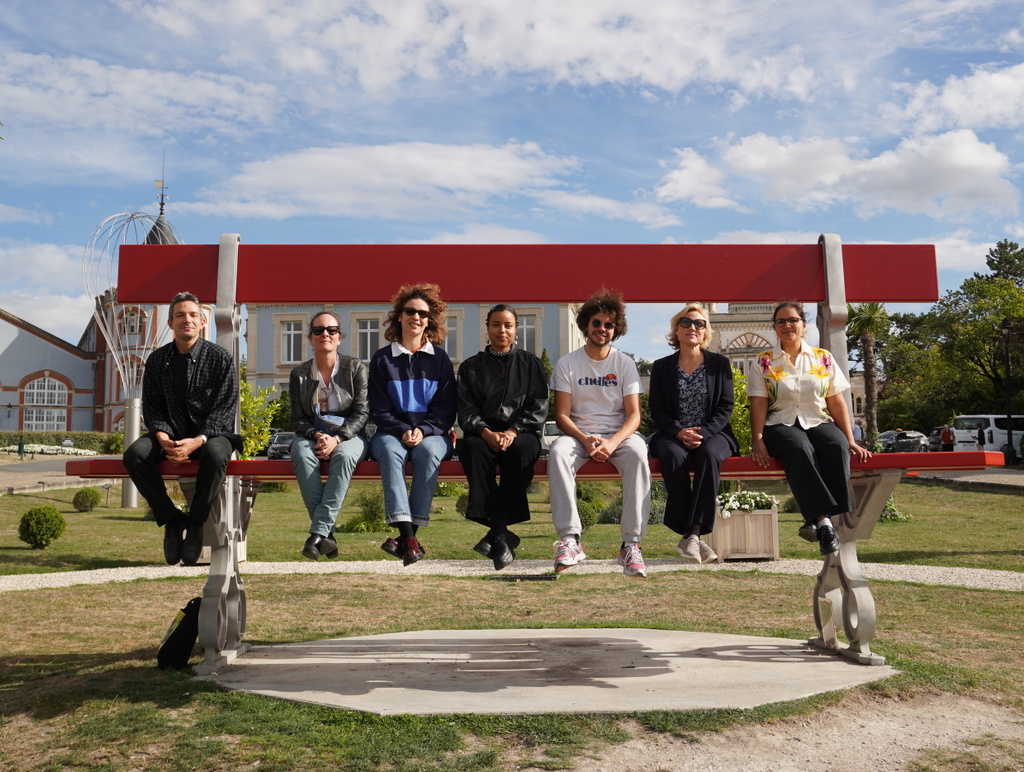
The jury that selected the winning works is composed of actively engaged individuals under the age of 40 from the arts and culture sectors.
Peet Dullaert(fashion designer)
Salma El Moumni(writer—author of "Adieu Tanger" and "La vraie vie de Sawsan")
Martin Jauvat(filmmaker)
Mathilde Mazars(documentary photographer)
Aliha Thalien(filmmaker and visual artist)
For this second edition, the jury decided to honor seven works (2 feature films, 3 short films, 1 series, and 1 documentary).
A second edition marked by resistance and emancipation
The second edition of Tomorrow in Sight brings together works united by a common question: How can we continue to live and hope when the systems around us—political, economic, social, and environmental—are faltering? Through characters who confront the violence of society, this selection celebrates a young generation of authors who keenly reveal the divisions of our time and explore paths of resistance and emancipation.
The seven winning works 2026-2027
🏆️ Feature films
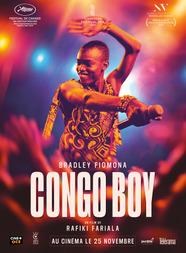
Congo Boyby Rafiki Fariala
Fiction — Production co.: Unité, Kiripifilms, Karta Films, Makongo Films – International sales: The Party Film Sales
“A powerfully moving film that explores the difficulties of everyday life through a character who embodies an extraordinary duality—forced to keep the secret of his ancestry hidden—as a metaphor for hiding who we truly are.”
Salma El Moumni, writer, member of the Tomorrow in Sight jury
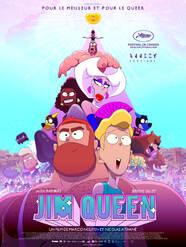
Jim Queenby Marco Nguyen & Nicolas Athané
Fiction / Animation — Production co.: Bobbypills – International sales: Film Constellation SAS
“A fearless and highly original use of animation and satire, turning questions of identity, belonging and social codes into something visually bold, funny and genuinely contemporary. ”
Peet Dullaert, fashion designer, member of the Tomorrow in Sight jury
🏆️ Short films
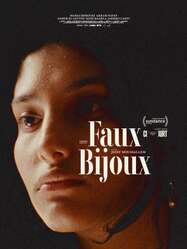
Faux bijouxby Jessy Moussallem
Fiction — Production co.: Vixens – International sales: Salaud Morisset
“What is the cost to the younger generation of wanting to leave in the hope of a better future elsewhere? Beyond manipulation, games, or deception, it’s something we pay for with our bodies. That’s what we discover in this film, which subtly addresses North-South tensions.”
Salma El Moumni, writer, member of the Tomorrow in Sight jury
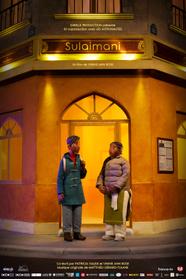
Sulaimaniby Vinnie Ann Bose
Fiction / Animation — Production co.: Girelle Production, Les Astronautes – International sales: Pentacle Productions
“This short film explores exile through different perspectives on what it’s like to be far from home and what connects us to our culture and identity. It’s a contemporary concept because it examines all the migration routes that crisscross our world today.”
Mathilde Mazars, documentary photographer, member of the Tomorrow in Sight jury
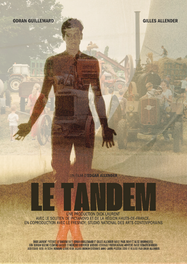
The Tandemby Edgar Allender
Fiction — Production co.: Dick Laurent, Pictanovo – International sales: Fløw
“A magnificent short film that takes up the seemingly classic theme of the city dweller’s return to his roots, but one that is here transformed by its poignancy, restraint, performances, and deeply moving sensitivity.”
Martin Jauvat, filmmaker, member of the Tomorrow in Sight jury
🏆️ Series
After Us, created by Louis Aubert & Matthieu Bernard, directed by Franck Brett
Fiction – Production co.: Les Films du Cygne, Storia Television – International sales: Mediawan Rights
“An ambitious and daring series that blends elements of an ensemble film, a thriller, a comedy, and an action movie—and poses a pressing question: How can we get politically involved to bring about change in the face of inaction by the powers that be and current governments?”
Martin Jauvat, réalisateur, member of the Tomorrow in Sight jury
🏆️ Documentary
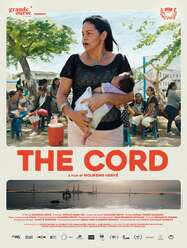
The Cordby Nolwenn Hervé
Documentary — Production co.: Grande Ourse Films – International sales: Grande Ourse Films
“This film, which falls somewhere between a journalistic report and a creative documentary, focuses on a very strong woman—a mother—who runs a sort of family planning clinic in Venezuela. Both a heroine and an anti-heroine, she helps women carry their pregnancies to term in a country where the hospital system is deeply flawed.”
Aliha Thalien, filmmaker and visual artist, member of the Tomorrow in Sight jury
Discover the 2026 Tomorrow in Sight clip!
Support for selection at international events
The Tomorrow in Sight label will benefit from targeted promotion abroad through Unifrance’s channels and the French diplomatic network (website, social media, partner festivals) throughout the coming year.
The Tomorrow in Sight label benefits from the invaluable support of the Unifrance Endowment Fund’s patrons: Accor (Major Patron), BNP Paribas (Patron), and Maison Pommery & Associés (Patron).
➡️ The full program of the 24th Franco-German Film Meetings can be found here
You can register via this link
The additions to the program:
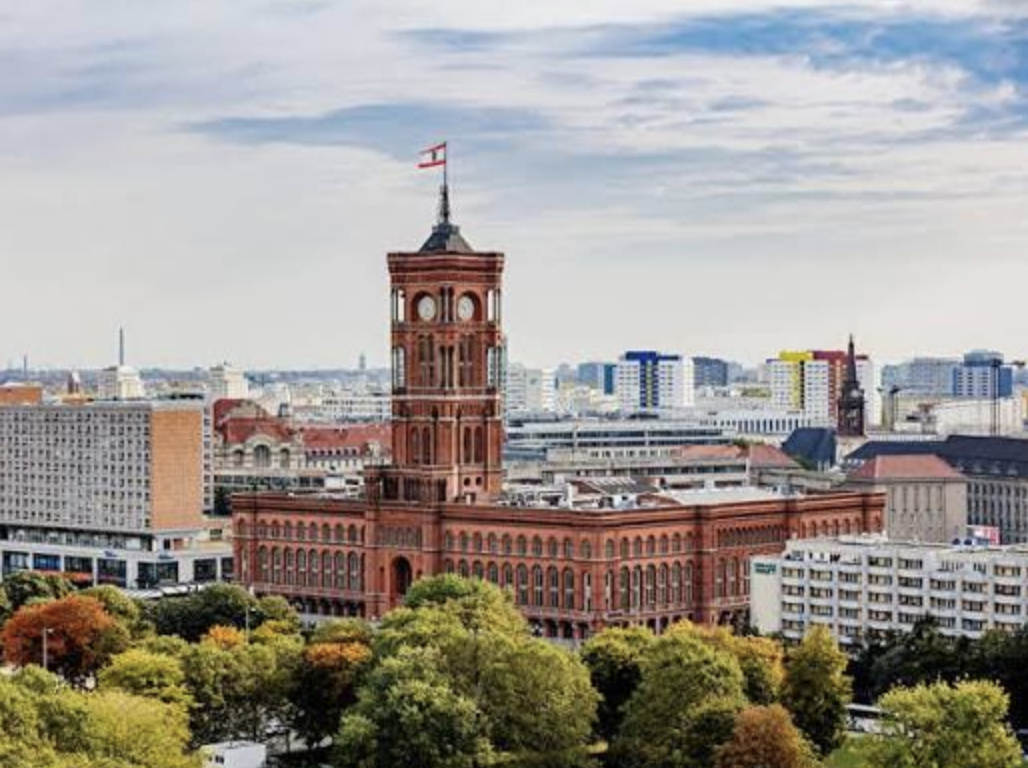
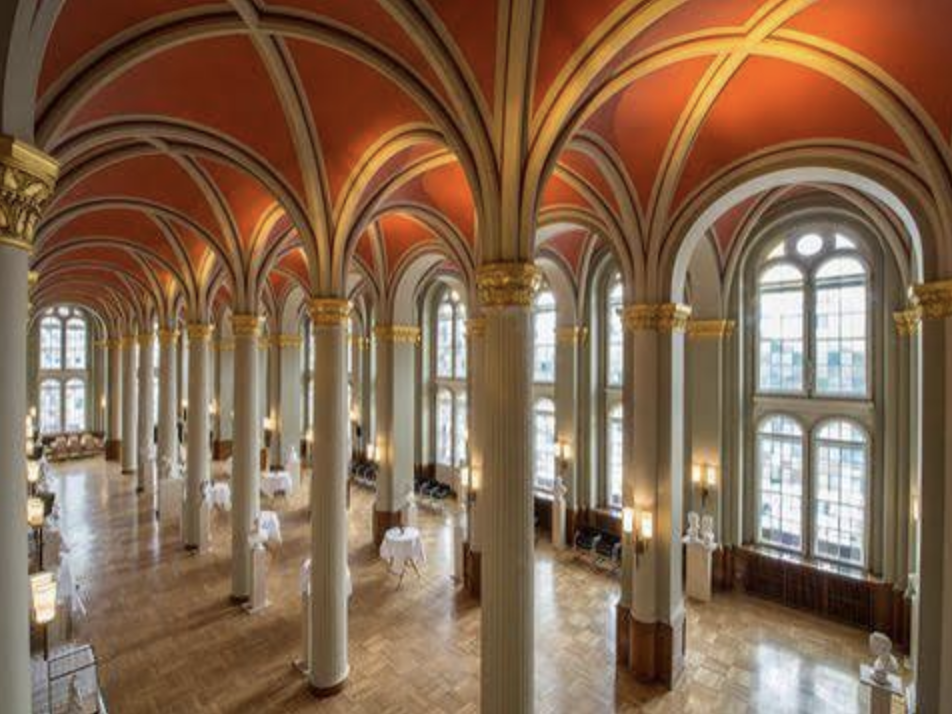
A reception at the Rotes Rathaus
To mark, in particular, the 25th anniversary of the Franco-German Mini-Treaty, a reception will be held on Tuesday, November 24, at the Rotes Rathaus, one of Berlin’s most iconic landmarks. This reception will provide an opportunity to celebrate 25 years of Franco-German friendship in cinema, 25 years of close cinematic and audiovisual cooperation between the two countries, in a special and convivial setting, continuing the day’s discussions.
Emerging Producers
The Franco-German Film Meetings are launching the “Emerging Producers” program, featuring two new pathways (by selection) designed for emerging producers and directors: a selection of co-production projects presented on stage with Tanja Meissner (EFM Berlinale), and speed-consulting sessions for project ideas and concepts in the very early stages of development.
Submit your project by October 23, 2026. All the details and the application form are available here.
Perspectives from both sides: Germany and France since the last Meetings
Two industry professionals—one German, the other French—will discuss the major reforms and developments that have shaped their countries since our last Meetings. This comparative analysis will help us understand what has changed on both sides of the Rhine and what these changes mean for cooperation between our two industries.
How is a film created that blends live-action footage and generative AI?
Through a case study focused on Volkano High (Gymnasium), Sarika Hemi Lakhani, a producer at X Filme, will present this hybrid project by Bonn Park, an internationally active theater director and writer, co-produced with Chapter41. A deep dive into a new way of thinking about and making a film, at the intersection of live-action footage and generative artificial intelligence.
Bridge financing at the heart of the discussion: a fishbowl with Cofiloisirs
Dominique Malet, of Cofiloisirs, will participate in a fishbowl discussion (with the audience arranged in an oval around the speakers), designed to encourage direct and open dialogue with participants. Questions, personal experiences, and real-life examples are welcome to fuel the discussion on credit-related issues.
The first editions of Next Docs from France will showcase a selection of dozen premium French documentaries.
Presented as the opening event of MIPCOM, this session offers accredited international buyers, decision-makers, and journalists exclusive access to a selection of ambitious and unique programs tailored for the international market.
Through a wide variety of topics, formats, and genres (current events, arts, general culture, history, pop crime, science, sports, true crime...), Next Docs from France showcases the creativity, innovation, and richness of French audiovisual documentary production. A selection designed to appeal to international audiences and meet the editorial needs of broadcasters and streaming platforms worldwide.
This session will take place on Monday, October 12, 2026, from 9:30 a.m. to 10:30 a.m., at the Palais des Festivals et des Congrès – Auditorium A (Palais 3), and will be open to all accredited attendees.
The documentaries presented
Doomsday: Facing Global Threats(RMC Découverte et Story, 6x52'), produced by Kwanza and RMC Production, and distributed by Kwanza
Apocalypse Civilizations: Rome(France 2, 2x45'), produced by Imagissime and Mediawan Kids & Family , and distributed by France tv distribution
The Paris-Tokyo Job (or How to Rob a Yakuza)(CANAL+, 4x26'), produced by Andaman Films and distributed by STUDIOCANAL
Cocaine, Europe Under the Influence(France Télévisions, 2x52'), produced by Program 33 and distributed by Mediawan Rights
Diane Keaton, Fiercely Independent(ARTE France, 52'), produced by Temps Noir and distributed by The Party Film Sales
William The Conqueror: The Making of a King(CANAL+, 3x45'), produced by Bonne Pioche Story and distributed by Incognita distribution
Kim, the Diamond and the Grandpa Robbers(CANAL+, 4x40'), produced by Pernel Media ,, co-produced by CANAL+, and distributed by Arte Distribution
Odysseus — The First Hero(RMC Découverte et Story, 52'),produced by AH! Production and distributed by Balanga
The Creator, Inside Sam Altman's Mind(France Télévisions, 3x26'), produced and distributed by StudioFact Rights
Leo XIV: The Lamb and the Wolves (ARTE France,52'), produced by Capa, co-produced by ARTE France, and distributed by Studio TF1StudioFact Rights
The Popes and the Jews(ARTE France, 52'), produced by ARTE France and distributed by Effervescence
Ultra Trail Mont-Blanc, the race of their life(France Télévisions, 52'), produced by Seventine and Sixtine, and distributed by Seventinei
A cocktail reception will be held on Tuesday, October 13, from 6:00 p.m. to 8:00 p.m., at the Hôtel Croisette Beach Cannes – MGallery Collection, by invitation only. For this year’s event, Unifrance invites its guests to this new venue, just a short walk from the Palais des Festivals, for a convivial gathering to discuss and connect around French audiovisual creation.
The Unifrance booth
Alongside the more than 350 exhibitors expected to attend, Unifrance will have a booth located at the Palais des Festivals (P-1.E.1), where the organization will host 33 member companies.
The MIA will hold its 12th edition in Rome from October 19 to 23. Unifrance, along with several exporters, will be present at the market.
The MIA is introducing many new features this year, with the market reorganized around five pillars: IP (books, talent, video games, XR), the co-production market and gap financing, the Buyers Club, the European Investment Hub, and a unified program for the creative industries.
As usual, the co-production market will offer individual B2B meetings, pitch coaching, and development awards by category…
--
Numerous majority- or minority-French films have been selected to participate in the various co-production markets and pitching sessions:
Cinema (fiction and animation)
After the Night / La vita dopo by Luca Maria Piccolo (Italy, France), co-produced in France by Filmo2
Näcken by Adrien Beau, produced by Master Movies
The March of the Sunflowers / A Marcha Dos Girassois by Erick Ricco (Brazil, France, Portugal), co-produced in France by Autour de Minuit
Maryam & Varto by Gorune Aprikian and Luciano Lepinay (France, Armenia), co-produced in France by Tchack, Araprod and Bright Light Films
Mancera by Khris Cembe (Spain, France, Portugal), co-produced in France by Les films de l'autre cougar
Toute la douceur du monde by Ayce Kartal, produced by Les Valseurs
Documentary
Ciao Italia! by Mathilde Damoisel, a Hauteville Productions production
Salo, le dernier cri de Pasolini by Sophie Bassaler, a Wendigo Films production
The Last Winner / L’ultimo vincente by Cristiano Gazzarini
TV series (fiction)
Restoration, produced by Perfect Day Productions
Tribes, produced by Incognito Films
Monsters’ Shrink, co-produced in France by Joann Sfar's Magical Society
TV series (animation)
Quoi d’neuf Eesha?, co-produced in France by TeamTO
--
The Buyers Clubaims, in particular, to serve as a bridge between the MIA, the Festa del Cinema, and Alice nella Città, providing access to the Press & Industry screenings at both festivals. It will also once again feature the Comin'UP programs (designed for international sales agents, where buyers can view exclusive previews of scenes, clips, or trailers from films still in production), C EU Soon, dedicated to European films currently in production or post-production seeking international distribution, featuring the majority-French project Heirloom by Upamanyu Bhattacharyya and the minority-funded projects Folk Play by Mirjana Karanovic and Starseed by Anca Damian.
The European Investment Hub is a new two-day platform dedicated to financial tools in the audiovisual sector (coproduction funds, equity funds, guarantee mechanisms, insurance tools, public-private co-investment models), organized in the form of roundtable discussions bringing together investors, institutions, and industry professionals.
The IP theme, meanwhile, will take shape under the banners of Book Adaptation Forum and UNBOX | Short Film Days (a platform for discovering young talent, developed by Alice nella Città in partnership with MIA).
Last but not least, the Scenari Transalpini program—an initiative of the Institut Français Italy and Cinecittà, in partnership with the MIA, Villa Médicis and Séries Mania—returns for its third edition to foster collaboration between the French and Italian audiovisual industries by supporting the development of new works.
The following six (series) projects have been selected for the 2026 edition:
Bad Habit - Marta Savina, Caroline Nataf, Marica Stocchi (Italy)
Friday is for Gombo - Hamatou Compaoré, Ines Vasiljević (Italy)
Tainted Blood - Catherine Anne McGilvray, Sara Pollice, Federico Schiavi, Carla Scicchitano (Italy)
The Villa - Hugues Cohen, Renaud Cohen, Chiara Malta (France)
Pentite - Denis Lima, Jimi Storck, Elizabeth Arnac (France)
Mice - Laure Chichmanov, Jennifer Deschamps, Elodie Polo Ackermann, Camille Loiret (France)
The selected projects will benefit from a support program centered on online meetings with Italian and French professionals working in the fields of development and co-production. The teams will therefore participate in MIA, as well as in the industry meetings at Séries Mania in 2027.
-→ Toutes les informations sur le site officiel du MIA Market
Cocktail reception
Unifrance, thelAmbassade de France in Italy, 'Institut Français in Italy, and the Italian Film Commissions will jointly host a reception on Tuesday, October 20 to celebrate Franco-Italian cooperation in film and audiovisual media.
On the festival front
The Festa del Cinema (October 13–25) will take place primarily at the Auditorium Parco della Musica, which will host the main screening venues and the vast red carpet—one of the largest in the world.
Since 2022, the Festa del Cinema has included an international competition among its selections, with a jury composed of professionals from the worlds of film, culture, and the arts. Q & As with the public, events, special screenings, and tributes are also part of the program.
Notable among the French films are screenings of highly anticipated titles such as Violette by Jean-Pierre Jeunet, The Phantom of the Opera by Alexandre Castagnetti, and Un jeu dangereux by Karine Silla.
Pauline Loquès, who won the Grand Jury Prize at the 2025 Festa del Cinema for Nino, will serve on the jury selecting the festival’s best debut film.
All the French films presented at the 20th Festa del Cinema in Rome
(majority-French films are indicated in bold)
Progressive Cinema Competition
Closure by Michał Marczak
Congo Boy by Rafiki Fariala
Dua by Blerta Basholli
Fruit Gathering by Aung Phyoe
That's All Folksby Gustave Kervern
Best of 2026
A Man of His Timeby Emmanuel Marre
Minotaurby Andreï Zviaguintsev
Fjord by Cristian Mungiu
Ben'Imana by Marie-Clémentine Dusabejambo
The Beloved by Rodrigo Sorogoyen
Orange-Flavoured Weddingby Christophe Honoré
Fatherland by Pawel Pawlikowski
La bola negra by Javier Calvo, Javier Ambrossi
Grand Public
De Gaulle: Résistanceby Antonin Baudry
Just an Illusionby Olivier Nakache and Éric Toledano
Violetteby Jean-Pierre Jeunet
Me, You by Bille August
Un jeu dangereuxby Karine Silla
The Phantom of the Operaby Alexandre Castagnetti
Special Screenings
Tin Castleby Alexander Murphy
Alea Jacarandasby Hassen Ferhani
Plus de bruit : Mano Negra !by David Dufresne
Into the Jaws of the Ogreby Mahsa Karampour
To Hold a Mountain by Biljana Tutorov and Petar Glomazić
A Russian Winterby Patric Chiha
History of Cinema
Les Films inachevésby Laurent Galinon
Carolco, un rêve hollywoodienby Julien Dupuy and Jérémy Fauchoux
Cinema Paradiso by Giuseppe Tornatore
The Lovers on the Bridgeby Leos Carax
The Young Girls of Rochefortby Jacques Demy
Oceansby Jacques Perrin and Jacques Cluzaud
Pola Xby Leos Carax
The Lobster by Yorgos Lanthimos
Freestyle
Pinocchio, l'enfant du monde by Paolo Borraccetti
Fish Don't Close Their Eyes by Audrey Gordon
Riverrun by Philippe Parreno
Erratics by Thomas Woodroffe
Interno familiare by Paolo Coletta
The Oligarch and the Art Dealer by Andreas Dalsgaard
Walking with Animatorsby Gilles Penso and Alice Poncet
The French films in the 2026 Alice nella Città selection
Concorso
Iron Boyby Louis Clichy
Butterfly Jamby Kantemir Balagov
La Gradivaby Marine Atlan
Gabinby Maxence Voiseux
We Are Aliens by Kohei Kadowaki
Sintonie
A Place to Healby Cédric Kahn
A Day in the Life of Jo: Chapter Phaedra de Jacqueline Lentzou
A fine haul of awards for French cinema, which took home two prestigious prizes at the close of the 83rd Venice Film Festival: the Best Screenplay Award for Stéphane Brizé, Coralie Amédéo, and Olivier Gorce for A Good Little Soldier, produced by Gaumont, and the Marcello Mastroianni Award for Best Young Actor for Malou Khebiziin A Place to Heal, directed by Cédric Kahn,and produced by Ad Vitam.
And, House of the Winddirected by Auguste Bernard Kouemo Yanghu, a majority-French film produced by La Mansarde Cinéma, and presented in the Orizzonti section, received the Luigi de Laurentiis Award for Debut Film.
All the awards for French cinema at the 83rd Venice Film Festival
Marcello Mastroianni Award for Best Young Actor: Malou Khebizifor A Place to Healby Cédric Kahn
Best Screenplay: Stéphane Brizé, Coralie Amédéo, andOlivier GorceforA Good Little Soldierby Stéphane Brizé
Luigi de Laurentiis Award for Debut Film: House of the Windby Auguste Bernard Kouemo Yanghu
Silver Lion for Best Director: Ilya Khrzhanovskyfor Dau
Orizzonti - Special Jury Prize: House of the Windby Auguste Bernard Kouemo Yanghu
Orrizonti - Best Film: Diane in the Loopby Ann Sirot and Raphaël Balboni
Orizzonti - Best Director: Jacqueline Lentzoufor A Day in the Life of Jo: Chapter Phaedraby Jacqueline Lentzou
Orizzonti - Best Short Film: Quelques instants de bonheur by Shaden Safieddine Tazi
CROCE ROSSA ITALIANA Award: A Place to Healby Cédric Kahn
Edipo Re Award: A Day in the Life of Jo: Chapter Phaedraby Jacqueline Lentzou
Interfilm Award for Promoting Interreligious Dialogue: A Good Little Soldierby Stéphane Brizé
Lanterna Magica Award: A Place to Healby Cédric Kahn
Green Drop Award: The Spiralby Paolo Strippoli
Arca CinemaGiovani Award - Best Italian Film: The Spiralby Paolo Strippoli
Cinema & Arts Award - Best Multidisciplinary Artist: Dauby Ilya Khrzhanovsky
Premio Speciale Film Impresa: A Good Little Soldierby Stéphane Brizé
Sorriso Diverso Venezia Award - Best Foreign Film: A Good Little Soldierby Stéphane Brizé
Settimana Internazionale della Critica - Grand Prize: Before the WarbyTommaso Usberti
Settimana Internazionale della Critica - Luciano Sovena Award for Best Independent Producer: Before the Warby Tommaso Usberti
Nuovo Imae Talent Award - Best Actor: Piero UsbertiforBefore the War by Tommaso Usberti
Presented in Competition as a world premiere at the Cannes Film Festival, Minotaur, inspired by The Unfaithful Wife by Claude Chabrol, draws parallels between the collapse of a man, his relationship, and a society ravaged by war and violence. This sixth feature film by Andreï Zviaguintsev, a Russian filmmaker in exile, was primarily produced by the French companies CG Cinéma and MK Productions. This co-production once again highlights France’s central role in major global co-productions and its support for the most socially engaged filmmakers of our time, as was already the case last year with It Was Just an Accident by Iranian director Jafar Panahi, winner of the Palme d’Or at Cannes and France’s entry for the 2026 Oscars.
Winner of the Grand Prix at the latest edition of the Cannes Film Festival and acclaimed by the international press, Minotaur has enjoyed an exemplary festival run, notably winning the Sydney Film Festival Award, the top prize at the Sydney Film Festival, in June and racking up nearly fifteen selections at the major international festivals of the summer and fall (Telluride, Toronto, New York, etc.) Minotaur will begin its global release in France on October 14. Sold by MK2 International to more than 60 countries worldwide to date, it will be distributed in the United States by MUBI.
The other finalist films were Iron Boy, by Louis Clichy, De Gaulle: Résistance, by Antonin Baudry, La Gradiva, by Marine Atlan, and The Unknown, by Arthur Harari.
In the coming weeks and months, Unifrance will stand firmly alongside Minotaur to support it in the prestigious race for the Oscar for Best International Feature Film. The organization will also support all other French films vying for nominations in the other categories of the Oscars.
The shortlist of films in the running for the Oscar for Best International Feature Film will be announced on December 15, and the list of the five finalists will be announced on January 21, 2027.
The 99th Academy Awards ceremony will take place on March 14, 2027.
It was Au sein des autres, written by Valérie Magis and Johanne Rigoulot, directed by Vania Leturcq, produced by Cinétévé, and distributed by the RTBF, that received an award this year at the awards ceremony for the Festival de la Fiction de La Rochelle, which took place on Saturday, September 19.
Au sein des autres tells the story of Nour, a lawyer in her forties who is a go-getter with a well-ordered life, as well as Fabrice, a man in his thirties who is nonchalant and taciturn and leads a life adrift. Nour and Fabrice had never met until the day they both learned they had breast cancer. In the chemotherapy ward of a hospital in Lille, something unexpected begins to develop between them. A story of friendship, born where they thought they would lose everything.
The cast of Au sein des autres, which will air on France Télévisions, includes actors Sofia Essaidi and Yoann Zimmer.
As a reminder, this year’s jury for the Foreign Press x Unifrance Award consisted of journalists Nerea González(Agencia EFE, Spain),Nicolas Dufour (Le Temps, Switzerland), andPaola Piacenza(RCS Mediagroup, Italy).
During their deliberations, the jury members praised the quality of the TV films competing for the award (“often courageous standalone films, marked by a strong social conscience”), and stated the following about Au sein des autres: “This work struck us with the subtlety of its treatment. It tackles a serious theme with consistent originality. It takes unprecedented directions. It deals with a subject that is, at first glance, a women’s issue without exploiting it strictly from a gender perspective, and boldly succeeds in bringing this theme down to a human level. We were also struck by the actors’ spot-on performances.”
The nominations for French audiovisual productions
“Documentary” category
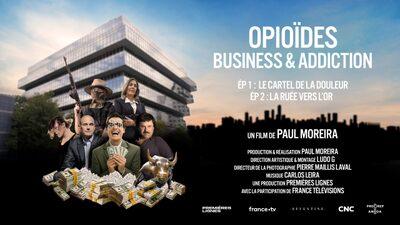
Addiction Criminalsby Paul Moreira (Premières Lignes / France Télévisions)
“Current Affairs” category
My Father's Hairby Antoine Védeilhé & Abhijeet Pandey (ARTE France)
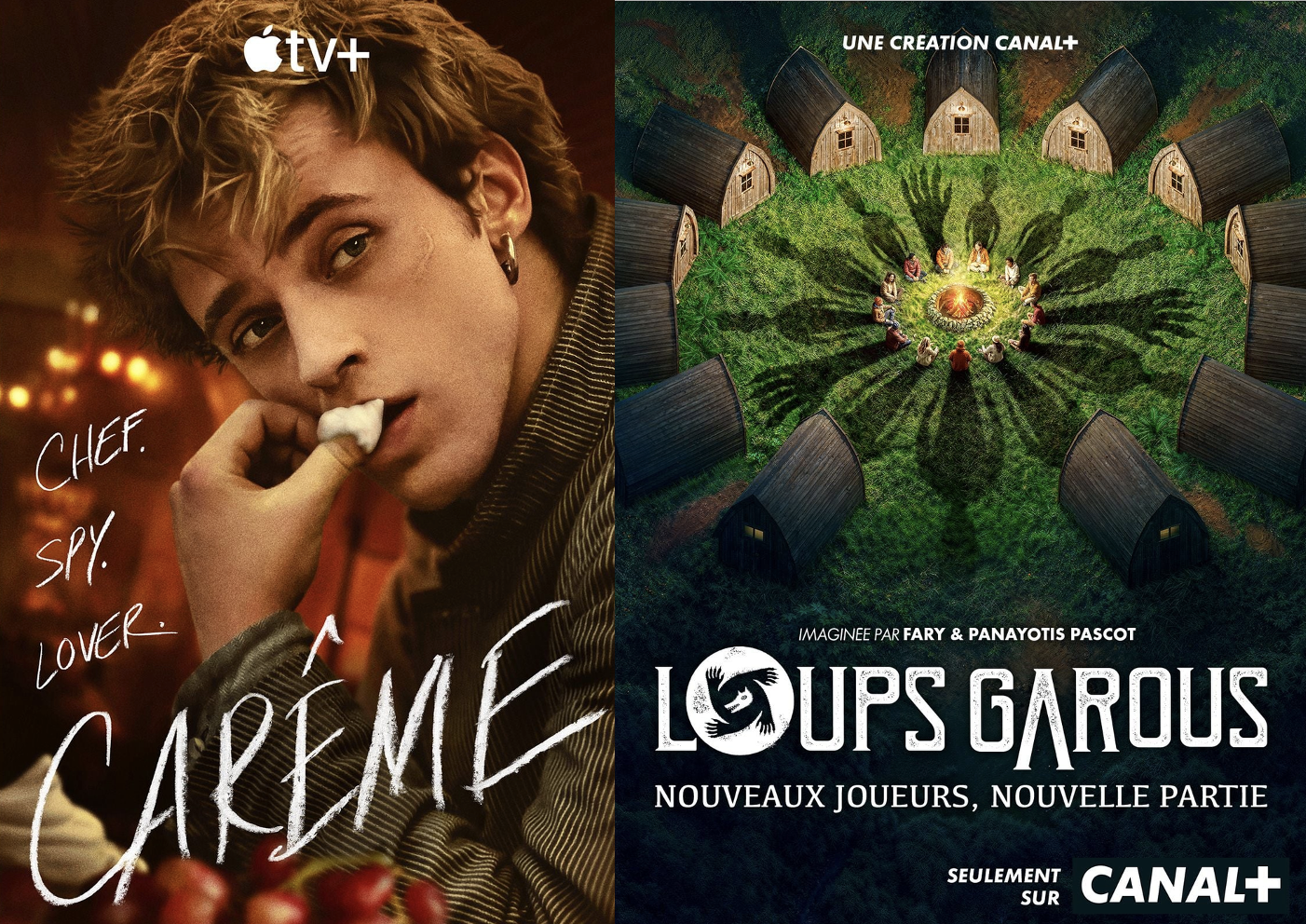
It is also worth noting that Carême(a foreign-produced series with a French director and cast) will compete in the Drama Series category, and that the streaming show Loups-garous - Season 2 has been selected for the Non-Scripted Entertainment category.
The French artistic delegation for majority-French films will consist of Virginie Efirafor All of a Sudden, Andreï Zviaguintsev& Iris Lebedeva for Minotaur, Marine AtlanandSuzanne Gerinfor La Gradiva, Arthur Hararifor The Unknown, Sarah Arnoldfor Too Many Beasts, Alain Gomisfor Dao, Leyla BouzidandEya Bouteraafor In a Whisper, Ana Vazfor Hanabi, and Auguste Bernard Kouemo Yanghufor House of the Wind.
Unifrance's presence at the BFI London Film Festival
Unifrance, in keeping with tradition, will be present at the 2026 edition by supporting artists’ attendance in the British capital, as well as through two professional matchmaking sessions:
On October 8, the traditional Buyers & Sellers Day, during which a large delegation of French exporters will have the opportunity to meet with British buyers through a tried-and-true speed-dating format.
The French companies participating in the Buyers & Sellers Day
Alpha Violet
Celluloid Dreams
Charades
Coproduction Office
Indie Sales
Les Films du Losange
Loco Films
Lucky Number
Luxbox
mk2
Paradise City Sales
Playtime
Pyramide International
Salaud Morisset
Urban Sales
On October 9, the 4th edition of the meeting between French and British producers will take place as part of the New Waves program, in partnership with the CNC, the British Film Institute (BFI), Institut Français - United Kingdom, and Unifrance.
Representatives from the following companies will be in attendance:24 25 Films, Apaches, Barberousse Films, Cinenovo, ÉlianeAntoinette, Léonis Productions, Les films du Bélier, Les Valseurs, Maneki Films, Petites Poupées Production, Récifilms, and Same Player. These twelve French production companies will have the opportunity to present their activities and projects to British companies active in the film and audiovisual sector.
All the French films at the 2026 BFI London Film Festival
Official Competition
The Difficult Brideby Rubaiyat Hossain
Imperiumby Sergei Loznitsa
Galas
Fjordby Cristian Mungiu
The Belovedby Rodrigo Sorogoyen
Minotaurby Andreï Zviaguintsev
La bola negraby Javier Calvo and Javier Ambrossi
Bunkerby Florian Zeller
Fatherlandby Pawel Pawlikowski
Cult
Nightbornby Hanna Bergholm
The Unknownby Arthur Harari
Dare
My Wife Criesby Angela Schanelec
Chronicles From the Siegeby Abdallah Al-Khatib
Hearingby Lê Bảo
A Man of His Timeby Emmanuel Marre
At Nightby Beatrice Gibson
Mary Magdaleneby Gessica Généus
Filipiñanaby Rafael Manuel
A Day in the Life of Jo: Chapter Phaedraby Jacqueline Lentzou
Debate
Gentle Monsterby Marie Kreutzer
Amazomaniaby Nathan Grossman
A Good Little Soldierby Stéphane Brizé
Family
Iron Boyby Louis Clichy
Journey
Ana, en passantby Fernanda Alves Salgado
A Place to Healby Cédric Kahn
Isabelby Gabe Klinger
A Girl Unknownby Jing Zou
The Driftingby Paula Delsol
La Gradivaby Marine Atlan
The Stationby Sara Ishaq
No Good Menby Shahrbanoo Sadat
Laugh
Too Many Beastsby Sarah Arnold
Love
Daoby Alain Gomis
In a Whisperby Leyla Bouzid
House of the Windby Auguste Bernard Kouemo Yanghu
It Will Happen Tonightby Nanni Moretti
Cowardby Lukas Dhont
To Hold a Mountainby Biljana Tutorov and Petar Glomazić
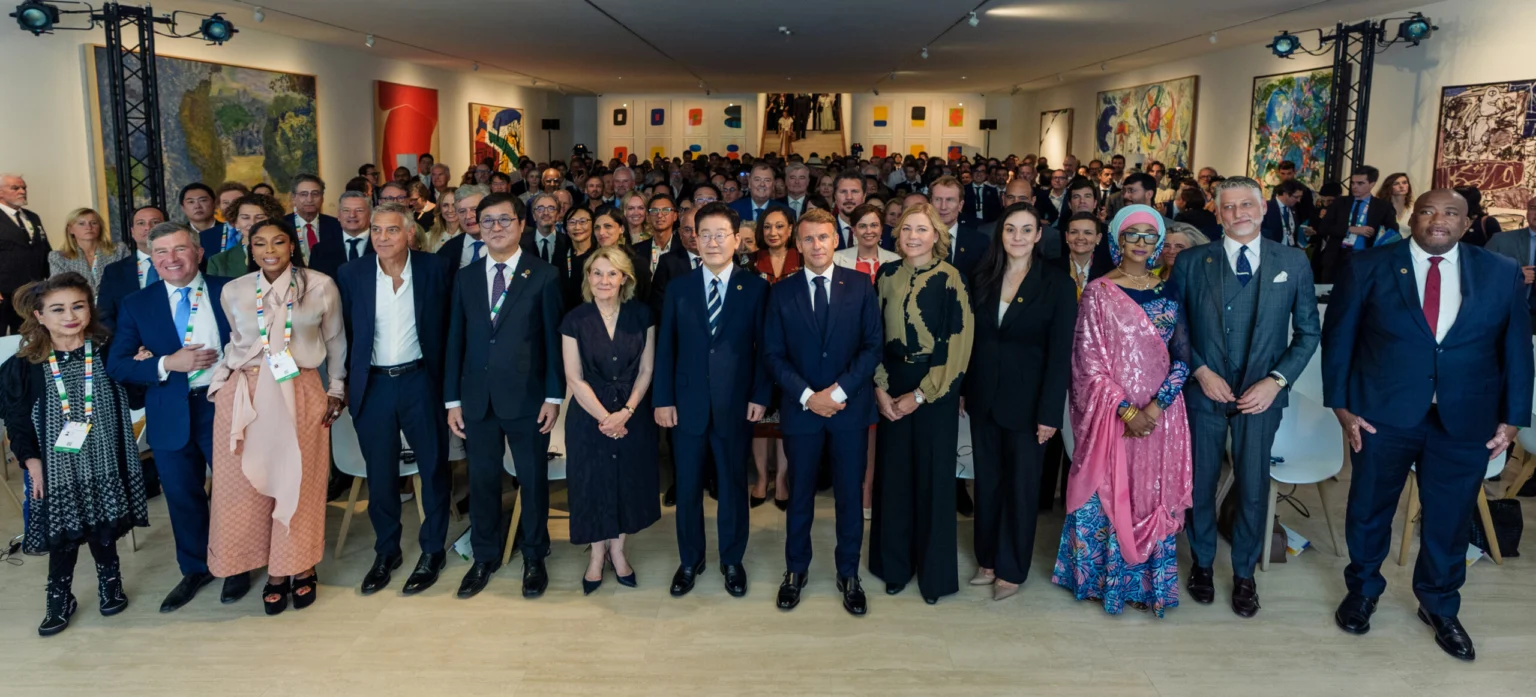
As the first international summit dedicated to the future of cinema and the moving image, this event brought together 200 public officials, business leaders, creators, producers, broadcasters, representatives of digital platforms, video game professionals, key figures in emerging technologies and representatives of international organisations from over 60 countries across five continents, including leading international executives and decision-makers from the film, audiovisual and video game sectors, as well as political figures and creative talents championing the Summit’s commitments.
→ CLICK ON THE IMAGE OR THE TITLE TO WATCH THE PANEL ALL CONTENTS IN ENGLISH ONLY
Opening Remarks
Opening Remarks by President of the French Republic, Emmanuel Macron, and the President of the Republic of Korea, Lee Jae-myung
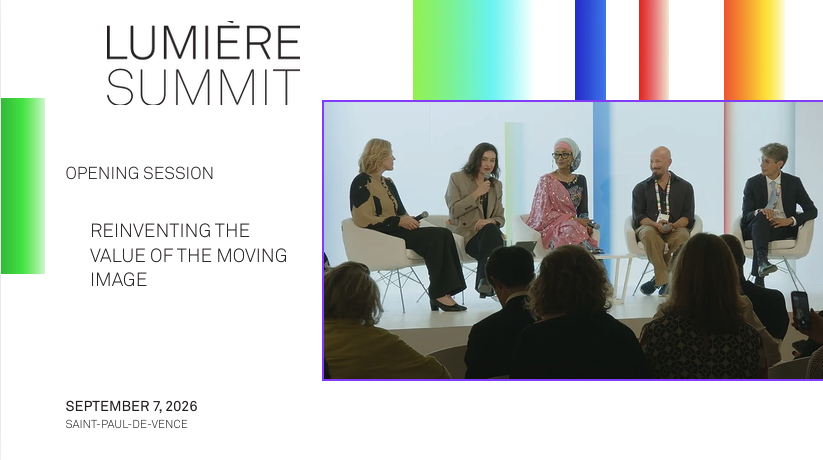
Reinventing the Value of the Moving Image
Never have we spent so much time on our screens, and never so little of it watching the works they were built to carry. As social platforms absorb an ever-greater share of viewing time, the old frontlines of the screen industries — cinema versus streaming, broadcast versus digital — no longer describe the real battlefield. Across film, television and gaming, the question is now whether intentional, ambitious works can sustain their value in an economy increasingly designed to capture attention. That value is not only economic; it is also cultural and democratic.
Panel featuring :
Henna Virkunnen, Executive Vice-President for Tech Sovereignty, Security and Democracy, European Commission
Hannatu Musa Musawa, Minister of Art, Culture and creative economy, Nigeria
Tarik Saleh, Filmmaker
Bruno Patino, President of ARTE France
Moderator : Marjorie Paillon
Followed by a fireside chat with Tom Rothman, Chairman and CEO de Sony Pictures Entertainment Motion Picture Group • Moderator : Cynthia Littleton, Variety
The Creator Economy: A Talent Ecosystem Comes of Age
For years, the established film and television industry circled the creator economy without quite knowing what to do with it. No longer: filmmakers who built their craft and their audience online are making their mark at the box office, and talent and IP now flow in both directions. In markets where traditional production and distribution systems remain limited, online creation is also becoming a primary route into the screen industries rather than a parallel one.
Fireside chat with:
Anthony Russo, Director and Founder, AGBO
Angela Russo-Otstot, Chief Creative Officer, AGBO
Mo Abudu, Founder and CEO, EbonyLife
Moderator: Janice Min, The Ankler
Creating with the Audience: Building Communities Around Games
The old publishing model for games, where creation is done away from audiences and marketed right before the launch, is no longer enough. As self-publishing becomes more important, creators must now seek to build their audience as they develop their vision into a game: forming a community, earning its trust, building feedback loops, creating anticipation and turning early supporters into ambassadors. This session explores what the games industry can learn from film and television about building demand over time all while sustaining attention. It will further consider how games and linear media can jointly rethink how audiences are reached, engaged and turned into supportive communities in an environment where attention is increasingly fragmented across platforms, screens and formats.
Panel featuring :
Kang Dae-hyun, co-CEO, Nexon Korea
Yves Guillemot, CEO, Ubisoft
Alain Tascan, President of Games, Netflix
Moderator: Antoine Sellam, Managing Director, Global Interactive Entertainment, JPMorgan
AI and the Moving Image: From Confrontation to Framework
The moving image has been shaped by numerous technological revolutions throughout the 130-year history of cinema. Is AI simply the latest, or a rupture of an entirely different order? This session asks how the industry can meet this transformation from a position of strength — neither retreating into blanket opposition, nor adopting AI models that sideline the people whose work makes them possible. It will identify the principles on which a sustainable framework must rest — consent, transparency, remuneration and respect for intellectual property — as well as the alliances, regulatory tools and market mechanisms needed to make AI a force for human creativity rather than one that erodes it.
Panel featuring:
Gadi Oron, General Director, CISAC
Mira Lane, Vice President of Technology & Society, Google
Matthieu Lorrain, CEO, stealth startup, professor in Augmented Creativity, Columbia School of Art, United States
Dame Elizabeth M. Daley, Dean, USC School of Cinematic Arts
Moderator: Patrick Caligiuri, Producer and Media Advisor
Creative Control: Who Gets the Final Word?
Everyone celebrates creators. Yet films and series are shaped by a complex chain of creative, industrial and financial decisions — involving studios, platforms, producers, financiers and, increasingly, data. Some systems recognize directors and screenwriters as authors of the work; in others, final cut remains a contractual privilege. But creative authority extends far beyond final cut: it is exercised through development, casting, financing, production, marketing and distribution. At each stage, who has the last word — and where does that leave the screenwriter, filmmaker or showrunner? This session examines the place of the author across the full decision-making chain, and how creative authority can be organized without sacrificing singular vision.
Panel featuring:
Julie Bertuccelli,Filmmaker, Board Member of SRF, President of La Cinémathèque du documentaire
Dora Bouchoucha, co-founder and producer, Nomadis Images
Dariusz Jablonski, CEO and President, Apple Film Production
Piracy has always evolved faster than the systems designed to stop it, but unconstrained by regulation and increasingly powered by the same technologies reshaping the industry itself, it is now accelerating at an unprecedented pace. For organizations across the value chain, effective action at scale is no longer simply a matter of efficiency — it is essential to protecting the foundations on which the industry depends. This session will identify the legal, technological and operational tools needed for a more coordinated global response — from intelligence-sharing and rapid cross-border enforcement to the responsibilities of online service providers, intermediaries, payment services and advertising networks. Panel featuring:
Martin Ajdari, Chairman, ARCOM
Gayton McKenzie, Minister of Sports, Arts and Culture, South Africa
Sylvie Forbin, Assistant General Director,, Copyright and Creative Industries Sector, World Intellectual Property Organization, WIPO
Emilie Anthonis, President & Managing Director at Motion Picture Association EMEA
Moderator: Patrick von Sychowski, Cine Group
Financing Ambition: The New Economics of Production
As traditional financing models come under increasing pressure, ambitious production must rely on a broader and more diversified pool of capital. Presales, tax incentives, gap financing, distribution advances, and investment from broadcasters and streamers remain essential, but they increasingly need to be combined with new forms of financing. From private equity firms and family offices to strategic partnerships with brands, the challenge is not simply to finance individual works, but to provide producers with the long-term visibility and development capacity they need to build sustainable companies. This also requires strengthening local financing ecosystems and mobilizing capital in emerging markets, so that value is not only raised globally, but also retained and reinvested locally. This session examines how these sources can be assembled to share risk, sustain that ambition and generate long term value at both project and company levels. Panel featuring:
Jackie Brenneman, President and CEO, IFTA,
Osahon Akpata, CEO, Creative Africa Nexus,
Amanda D. Lotz, Professor Consultant, Queensland University of Technology,
Alex Berger, Chairman and CEO, TOG –The Originals Group
Moderator: David Shaheen, Managing Director, Head of Media & Communications Corporate Banking, JP Morgan
New Perspectives on Local and Global Co-Prosperity
In an era where borders and platform boundaries are increasingly blurred, the most local narratives are proving to be the most globally resonant. How can the global screen industry move forward to build an authentic, reciprocal ecosystem where local creative diversity and global scale thrive together? This session explores how global networks can forge a robust virtuous cycle with unique local storytelling—reinvesting in local production ecosystems while enriching global cultural diversity. Bringing together key industry leaders driving the global and local audiovisual ecosystem, this roundtable examines tangible frameworks across areas including cross-border co-production, joint investment, and talent development to ensure long-term co-prosperity across the screen industries. Panel featuring:
Lee Jae-myung, President of the Republic of Korea
Isabel Haskey, vice-president, Netflix
Yoon Sang-Hyun, CEO, CJ ENM
Pierre-Antoine Capton, Founder and CEO, Mediawan
Choi Soo-Yeon, CEO, Naver
Emilie Anthonis, President & Managing Director at Motion Picture Association EMEA
Moderator: Ahn Hyun-Mo, Independant Presenter
Broadcasters and Streamers: Old Rivals, New Playbook
Broadcasters and streamers spent a decade fighting for the same audiences. Now they increasingly need each other. Linear viewing is declining in many markets, but not all of television’s strengths have carried over into the digital age. Broadcasters and streamers are converging in the development, financing and distribution of series, combining local creative ecosystems with global reach. Each brings capabilities the other lacks: broadcasters’ advertising power, live programming and national reach; streamers’ data, personalization and product agility. This session will map the partnerships, products and business models that this convergence could unlock. Panel featuring:
Rodolphe Belmer, Chairman and CEO, TF1,
Isabelle Degeorges, President, Gaumont Télévision
Andrew Bennett, Head of International Programming and Partnerships, Amazon Prime Video
Paulo Marinho, CEO, Globo
Moderator: Elsa Keslassy, Variety
Window of Value: The Case for Theatrical Exclusivity
After years of pressure for ever-shorter windows, theatrical exclusivity is regaining ground as a powerful driver of attention, cultural impact and long-term value. A cinema release does more than generate box office: it turns a work into an event, builds visibility and strengthens its trajectory across subsequent windows. This session brings key players to examine why exclusivity is being rediscovered, and how a renewed commitment to theatrical release can create greater value throughout the chain. Panel featuring:
Laure de Boissard, CEO, Pathé Cinemas, France
Alejandro Ramírez Magaña, CEO, Cinépolis, Mexico
Eduardo Acuna, CEO, Regal Entertainment Group, United States
Jane Hastings, CEO, EVT, Australia
Hiro Matsuoka, President and CEO, Toho Co., Ltd., Japan
Eddy Duquenne, CEO, Kinepolis, Belgium
Tim Richards, Founder and CEO, Vue, United Kingdom
Moderator: Cynthia Littleton, Variety
Who Chooses What We Watch?
Discoverability is a matter of cultural sovereignty that cannot be left solely to algorithms. Recommendation systems have already become central intermediaries, helping viewers navigate an unprecedented abundance of choice through increasingly personalized experiences. The stakes are decisive: preserving the plurality of voices through which works are created, discovered, discussed and desired. But cultural sovereignty is not only about protecting diversity at home; it is also about building strong national creative ecosystems with the capacity to compete, circulate and thrive in a global market. The ability to produce distinctive local works — and ensure that they can find audiences around the world — is becoming a critical dimension of cultural sovereignty. Fireside Chat with Matthew Buchanan, Co-CEO, Letterboxd, New Zealand Moderator: Janice Min, Founder and CEO, The Ankler Fireside Chat with:
Marc Miller, Minister of Culture and Identity, Canada
Rodolphe Belmer, Chairman and CEO, TF1
Moderator: Janice Min, The Ankler
Independent Cinema at Scale: From Singular Voices to Global Audiences
Audiences are increasingly drawn to distinctive voices, even as the traditional mid-market that once carried ambitious independent films is being hollowed out. The challenge is no longer simply to produce singular works, but to give them the reach, visibility and longevity needed to compete in a global market shaped by a handful of dominant releases. Smarter rights strategies, coordinated international releases, shared audience data, stronger festival-to-market pathways and new alliances between producers, sales agents, distributors and exhibitors could help independent cinema achieve scale on its own terms. This session examines how independent films can build momentum across territories, turn individual successes into lasting bodies of work and reach audiences worldwide, without diluting the creative identity that made them distinctive in the first place. Panel featuring:
Carole Scotta, Co-Founder, Haut et Court
Ewa Puszczynska, Founder, Extreme Emotions
Hania Mroué, Director, Metropolis Art Cinema
Moderator: Naman Ramachandran, Variety
Rebuilding Film Circulation: A New Compact Between Distribution and Exhibition
Film circulation is increasingly constrained by structural imbalances: concentrated access to screens and marketing, uneven allocation across venues and territories, and release calendars dominated by a small number of major titles. Many works struggle to find an audience, while audiences do not always find the films they are looking for. These imbalances take different forms across markets, from congested theatrical systems to regions where screens remain scarce, concentrated in major cities or inaccessible to large parts of the population. This session examines how distributors and exhibitors can improve release planning, data-sharing, programming commitments and access to screens, so that a wider range of films can find audiences, travel across territories and generate lasting value. Panel featuring:
Jackie Brenneman, President and CEO, IFTA
Eduardo Acuna, CEO, Regal Entertainment Group
Mathias Holtz, President, Europa Cinemas
Sidonie Dumas, CEO, Gaumont
Moderator: Patrick von Sychowski, Cine Group
Easy to Criticize, Impossible to Replace: Rethinking the Festival
Film festivals are easy to criticize but much harder to imagine away. At a time when works struggle to be discovered, financed, sold and seen, festivals remain among the few spaces where works are selected, celebrated, debated and experienced collectively. Yet their role can no longer be taken for granted. As series have developed their own festivals, and interactive and digital media face similar challenges of visibility and legitimacy, the festival model is already expanding beyond film alone. This session examines what only festivals can still do, how they can renew audiences and protect their independence, and how their models must evolve for them to remain engines of discovery and circulation rather than relics of the industry. Panel featuring:
Park Kwang-Su, Chairperson, Busan International Film Festival, Republic of Korea
Iris Knobloch, President, Festival de Cannes, France
Tricia Tuttle, Festival Director, Berlinale, Germany
Faisal Baltyuor, CEO, Red Sea Foundation, Saudi Arabia
Magdalene Reddy, Director, Durban Film Mart Institute (DFMI), South Africa
Shivendra Singh Dungarpur, Founding Director, Film Heritage Foundation, and Director, MANI Festival, India
Michaël Marin, CEO, Citia (Annecy International Film Festival), France
Laurence Herszberg, General Director, Séries Mania, France
Cameron Bailey, CEO, Toronto International Film Festival (TIFF), Canada
Maialen Beloki, Deputy Director, San Sebastian Film Festival, Spain
Peter Debruge, Director, South by Southwest Film & TV Festival, United States
Moderator: Rajendra Roy, Chief Curator, Film, MoMA, United States
Saving the World’s Film Heritage: Now or Never
Much of the world’s film heritage remains unpreserved, with collections in parts of Africa, Asia, Latin America and the Middle East particularly exposed by fragile materials, limited archival capacity, aging facilities and disappearing technical knowledge. Losing these works would mean erasing part of our shared memory and denying future generations access to the images through which societies understood and imagined themselves. This session asks how we can unite around an urgent global effort rooted in local expertise to identify, preserve and make endangered collections accessible. Part 1 – Opening Remarks
Éléonore Caroit, Minister Delegate for Francophonie, International Partnerships and French Nationals Abroad, France
Part 2 – Panel featuring:
Valéry Freland, Executive Director, ALIPH
Shivendra Singh Dungarpur, Founding Director, Film Heritage Foundation, and Director, MANI Festival
Vanessa Bendetti, Head of Motion Picture and Entertainment, Eastman Kodak Company
Thierry Frémaux, General Delegate, Festival de Cannes; General Director, Institut Lumière
Moderator: Todd Spangler, Variety
Safer Sets, Different Stories: Why Gender Balance Matters
Gender equality, the prevention of violence and harassment, and the accountability of all stakeholders are becoming essential benchmarks for a sector that stands at the intersection of industry and creation. The stakes are not only organizational but also artistic: an industry that does not fully make room for women deprives itself of half of its perspective on the world. This session examines how the film and tmoving images sectors can advance equality and foster safer working environments. Through a discussion of policies, incentives and industry commitments, participants will explore shared challenges, highlight emerging good practices and consider how greater inclusion can strengthen both the industry’s credibility and the diversity of stories brought to the screen. Panel featuring:
Tricia Tuttle, Festival Director, Berlinale
Angèle Diabang, Filmmaker
Anna Marsh, CEO, StudioCanal; Deputy CEO, CANAL+
Cameron Bailey, CEO, Toronto International Film Festival
Ben Roberts, Director General, British Film Institute
Moderator: Patrick Caligiuri, Producer and Media Advisor
Where Are the Young? Opening the Industry to a New Generation of Leaders
Renewing audiences is a strategic priority; renewing the industry itself is no less urgent, and each can help drive the other. Yet the screen industries most anxious about losing the next generation have often underinvested in reaching it: in a contracting market, with increasingly uncertain career paths, they must confront the cost of training, the scarcity of entry-level roles, the concentration of professional networks and the barriers that determine who can enter, progress and remain. This session asks how education and training can move from a cost borne by too few to a shared investment the industry cannot survive without, and how more open pathways can ensure that the stories of tomorrow are shaped by those who will live with them. Panel featuring:
Mehret Mandefro, Executive Producer and Managing Director, African Film and Media Arts Collective (AFMAC)
Dr. Celine Parreñas Shimizu, Dean and Distinguished Professor, School of Theater, Film & Television, UCLA
Michel Hazanavicius, Filmmaker and President, La Fémis
Mo Abudu, Founder and CEO, EbonyLife
Moderator: Lorna Tee, Asian Film Alliance Networkr
Creation and Democracy: What Holds Us Together
In times of war, fragmentation and democratic distrust, it is tempting to treat information as strategic and creation as secondary. That distinction is false. Democracies need reliable facts, but facts alone cannot hold a society together when common spaces are disappearing. Information and creation have equal dignity and perform complementary functions: information helps us understand what is happening; creation helps us imagine what it means. Through stories, emotions, characters and shared images, works teach us to see, feel and imagine together. They make other lives intelligible, sustain a common world and preserve our capacity for empathy — and for disagreement. Creation is an essential infrastructure of democratic life. Panel featuring:
Tetyana Berezhna, Vice Prime-Minister and Minister of Culture, Ukraine
Françoise Remarck, Minister of Culture, Côte d’Ivoire
Freedom to create is vital to the diversity of the moving image — universally affirmed, but unevenly defended. Creators worldwide face censorship, intimidation, retaliation, imprisonment and exile. Threats come not only from authoritarian states: access to financing, distribution and major markets can carry unspoken conditions on what stories may be told, and by whom. Protections remain fragmented and reactive, often mobilized only once a creator is already in danger. This session asks what genuine protection requires: early-warning networks that act before exile becomes the only option; safe havens that preserve the ability to work, not merely survive; financial and legal support that sustains visibility and independence; and safeguards against protection becoming exposure when advocacy itself increases risk. Panel featuring:
Rima Mismar, General Director for Media and Cultural Industries, Arab Fund for Arts and Culture (AFAC)
Charles Gillibert, CEO, CG Cinéma
Darren Walker, President and CEO, Anonymous Content
Nabil Ayouch, Director, Producer
Vanja Kaludjercic, Festival Director, International Film Festival Rotterdam (IFFR)
Moderator: Eva Nguyen Binh, President, Institut Français
Image Education, the Literacy of the Twenty-First Century
The screen industries helped build today’s civilization of images. They can now help repair our relationship to it. The challenges they face are also those of our societies. As attention fragments, so too do many of the common spaces through which we see, feel and debate together. At a moment when images are losing some of their power to bring people together and are increasingly used to divide them, the future of these industries depends on reasserting their place in society. Empowering the next generation means giving young people greater agency over the images they encounter: the ability to navigate an ocean of content, recognize works of lasting value, and understand that this value is economic, cultural and democratic alike. In a world of infinite feeds and increasingly passive screen consumption, image education has become an essential literacy for the twenty-first century. It fosters critical viewing, cultural curiosity and a healthier, more active relationship to screens. It is also the industry’s longest-term investment: building the next generation of audiences means giving young people the tools, appetite and opportunities to encounter ambitious works. The closing plenary will launch a major international initiative to make image education a universal ambition, support national programs adapted to different cultural, educational and technological contexts, and enable countries to share the models and methods they have developed. Panel featuring:
Alejandro Ramírez Magaña, CEO, Cinépolis
Faisal Baltyuor, CEO, Red Sea Film Foundation
Åsa Regnér, Deputy Director-General of UNESCO
Moderator : Marjorie Paillon
The Next Generation and the Power of Images by Alessandro Giuli, Minister of Culture, Italy
Closing remarks : Chae Hwi-young, Minister of Culture, Sports and Tourism, Republic of Korea Catherine Pégard, Minister of Culture, France
A strong French presence is expected this year at BIFF, notablyMarc FitoussiandIsabelle Huppertfor All About Corinne, and Judith GodrècheandTess Barthélemyfor A Girl’s Story, two films presented in the Gala strand.
Julie LecoustreandEmmanuel Marrewill present A Man of His Time, selected in the Flash Forward strand, Marco NguyenandNicolas Athanéwill accompany Jim Queen in the World Cinema section, while Bertrand Mandicowill present Roma Elastica in the Icons strand.
We should also note the presence ofCharlotte Gainsbourg, who will attend the festival’s opening ceremony and present Melancholia by Lars Von Trier, in a special screening.
On the market front
The Asian Contents & Film Market (ACFM)—the festival’s market component—will also take place in Busan from October 10 to 13. For the 18th year, Unifrance will share a booth with 'EFP - European Film Promotion at the Busan Exhibition Convention Centre (BEXCO), at booth C-16.
11 French export companies will be present at the booth: Alpha Violet, Best Friend Forever (BFF), Global Constellation, Goodfellas, Kinology, Le Pacte, Logical Pictures International, Losange Films, MMM Film Sales, Paradise City Sales, andSalaud Morisset.
All the French films at the 31st Busan International Film Festival
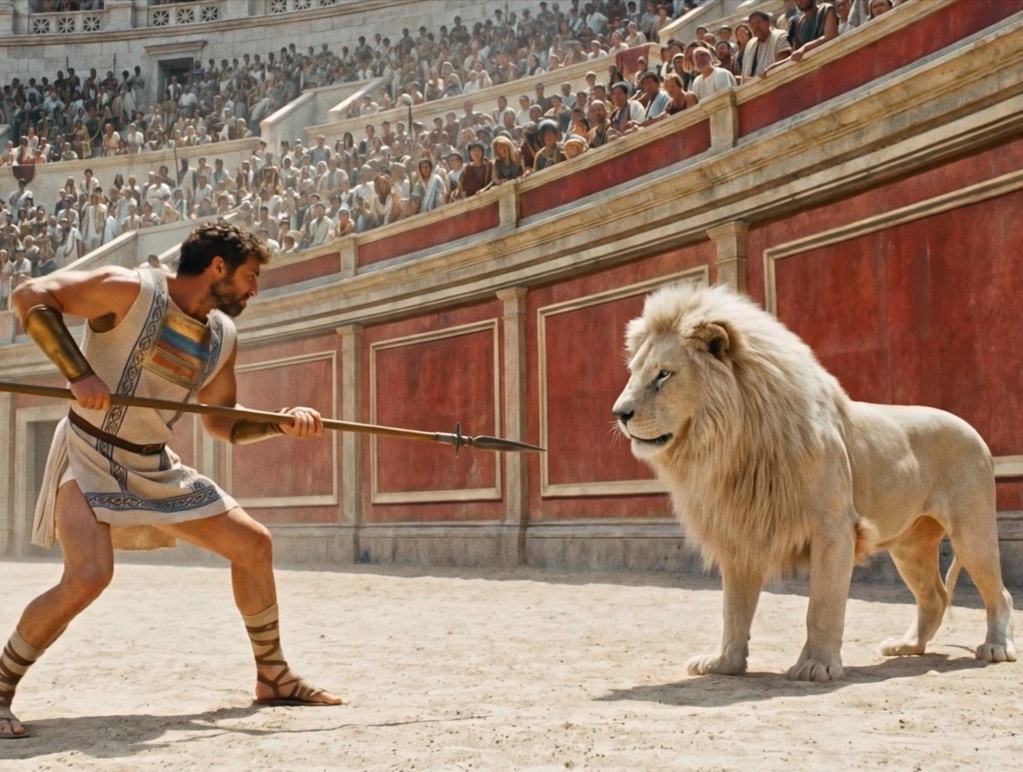
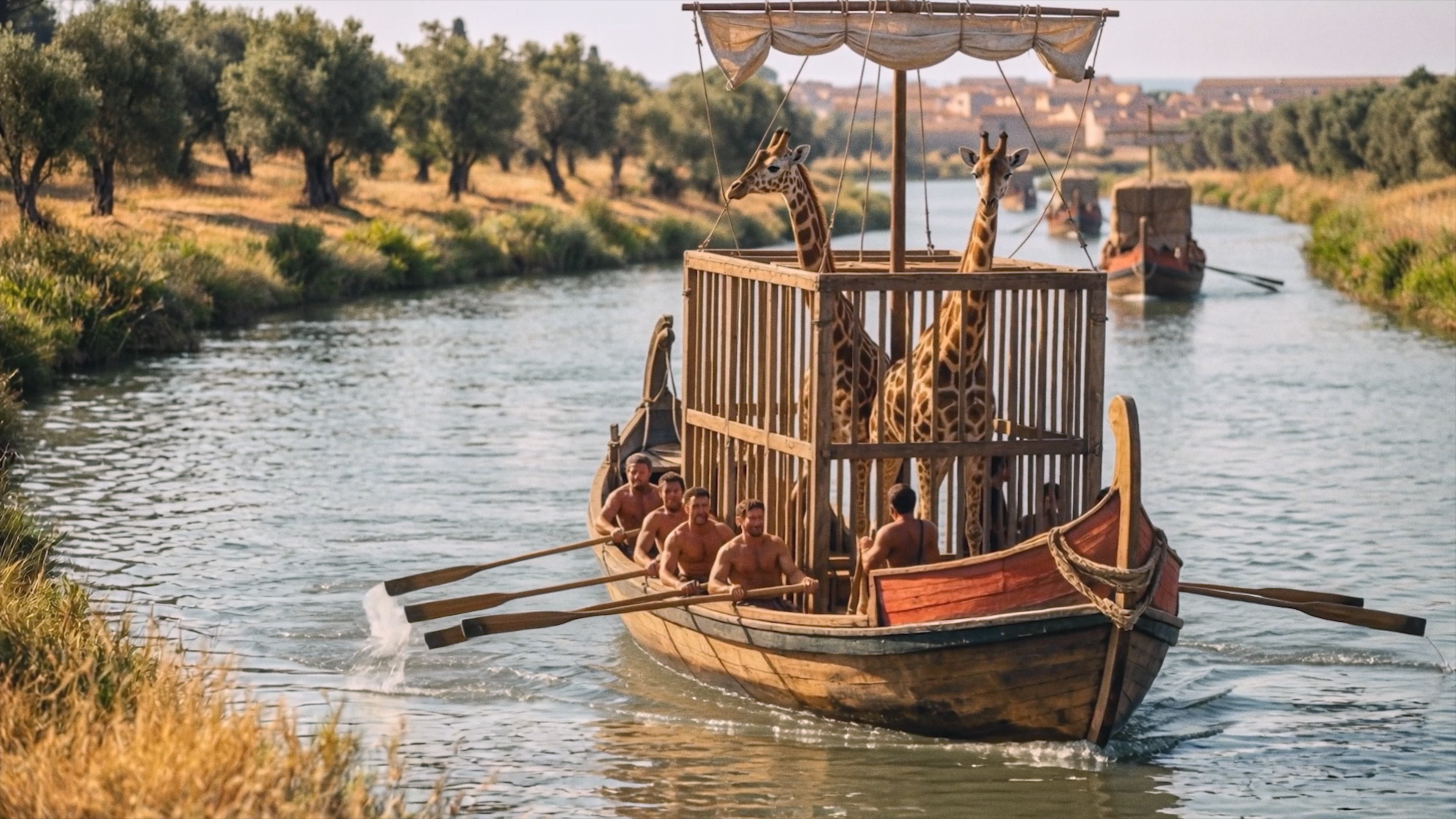
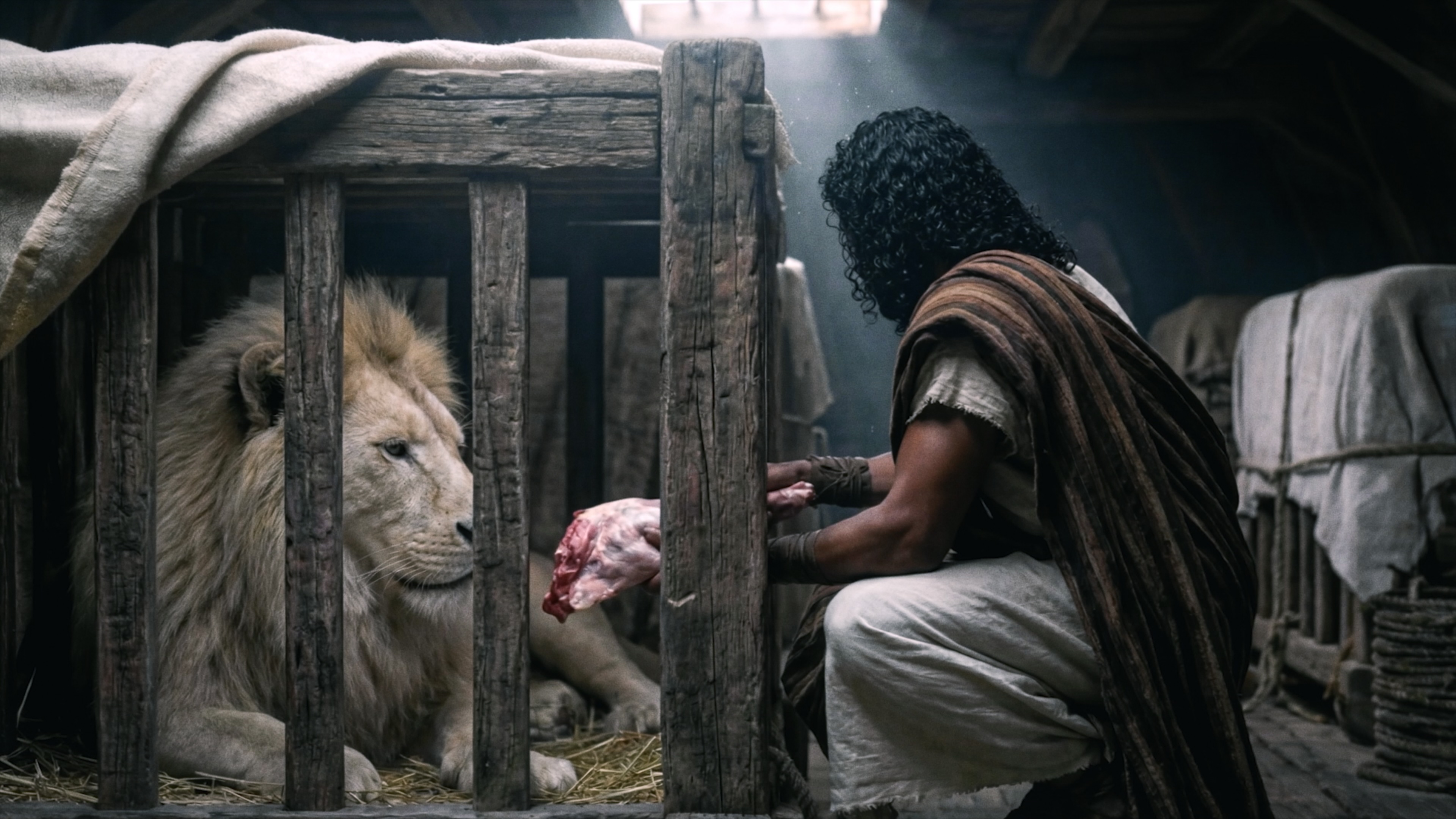
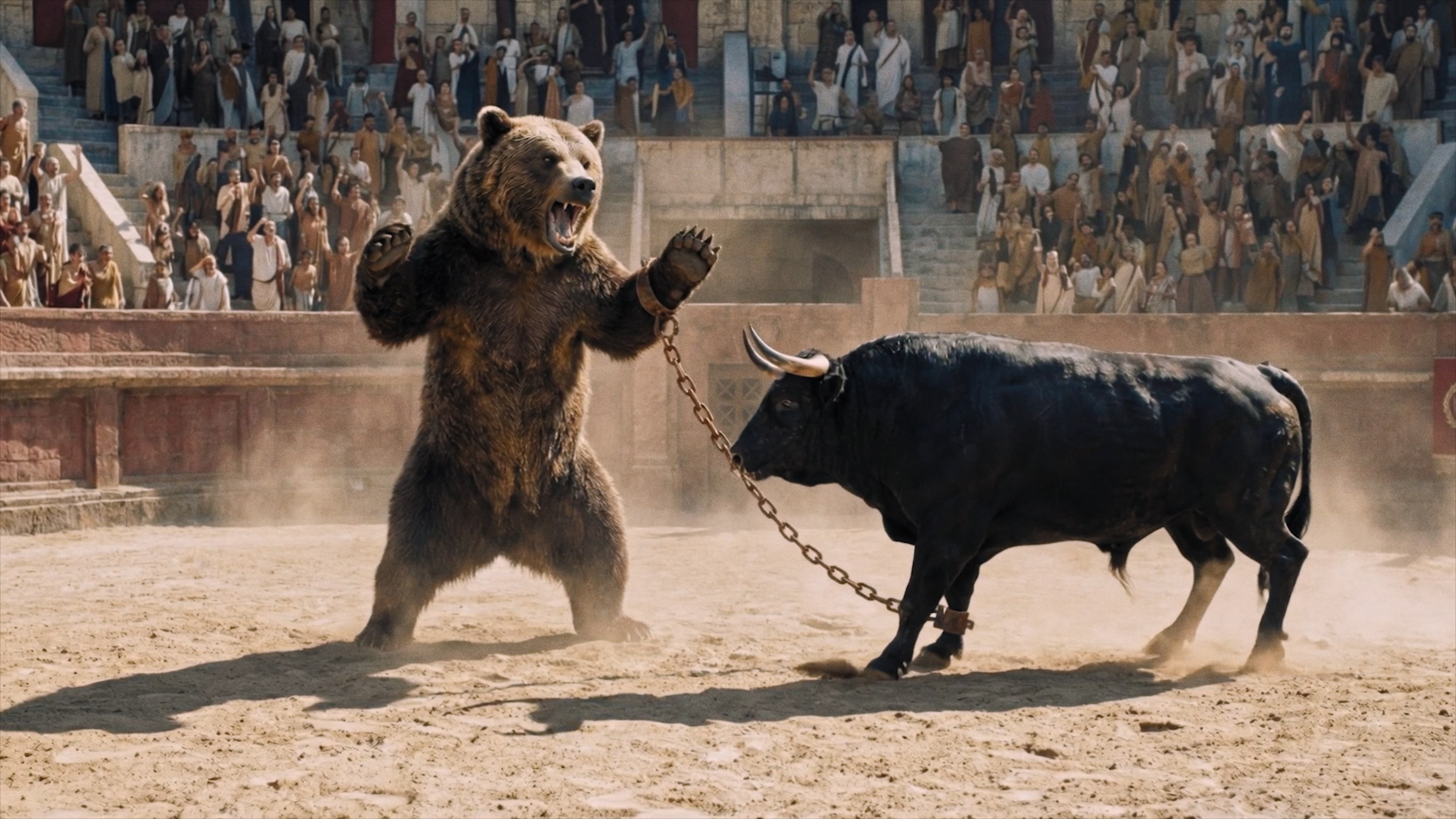
Beasts of the Colosseumtells a little-known story of the Roman Empire: that of an organization which captured, transported, and delivered thousands of wild animals to the arenas. Through the stories of a hunter, a slave, and a lion, the documentary reveals the inner workings of this industry, which contributed to one of the first human-caused extinctions of animal species, echoing today’s environmental challenges. Combining immersive reconstructions made possible by artificial intelligence with rigorous historical research, the film blends visual ambition with editorial rigor. Presented at a screening organized as part of the Unifrance Rendez-Vous in Le Havre, it has already been sold to several countries, including Germany, Canada, Italy, and Sweden, and is set to continue its international rollout in the Middle East and Asia.
Producer Enora Contant (AH! Production) and distributor Christophe Bochnacki (Balanga)look back at the origins and unique features of this ambitious project, as well as the opportunities it opens up for a new generation of historical documentaries.
Unifrance: Could you tell us about the development of Beasts of the Colosseum and how the various collaborators behind the project came on board?
Enora ContantEnora Contant: This is a story I’ve wanted to tell for many years, but the scale of the reconstructions meant that, until now, producing it as a documentary had been virtually impossible. The advent of artificial intelligence has changed the game, finally giving us the means to bring this project to life with the visual ambition it deserved.
The real catalyst was the launch of the Novo 19 channel and the commitment of its managing director, Guénaëlle Troly, who believed in the project’s potential and made it a reality.
Our shared ambition was to produce a spectacular documentary, accessible to as wide an audience as possible and conceived from the outset for both French and international viewers. Christophe Bochnacki, our distributor, was involved right from the start, both in securing funding and providing editorial support. His knowledge of international markets proved invaluable for preserving the narrative and visual styles that are the strength of productions intended for export.
Meeting Jean-Luc Berlot, a fiction producer at Adline, was also pivotal. He contributed to the film’s financing whilst bringing a perspective rooted in scripted content, which proved particularly useful in strengthening the narrative structure and the cinematic quality of the story.
It is this synergy of perspectives and expertise that has enabled the project to take shape and realize its ambition, straddling the line between historical documentary and grand spectacle.
The documentary sheds light on a little-known chapter in the history of the Roman Empire: that of an organization which captured and transported thousands of wild animals to the Roman arenas. Why was it important for you to tell this story today?
E.C.:We tend to view great civilizations through the lens of their conquests, monuments, or cultural achievements, sometimes forgetting the darker chapters of their history—the ones that tarnish the fascinating image we’ve preserved of them.
Rome embodies organizational genius and the grandeur of an empire, but behind the splendor of the Colosseum lay a veritable industry of capturing, transporting, and killing wild animals, mobilizing considerable resources across the entire Empire.
What interested me was revealing this other, lesser-known facet of Roman civilization—one that is just as revealing of how it functioned and its relationship to the world.
For me, historical documentaries aren’t just for understanding the past. They also allow us to examine our present and the choices we make today, so we can better understand where we might be headed tomorrow.
The film shows how this system contributed to the extinction of certain animal species. Was it important to you to draw parallels between this ancient story and current environmental issues?
E.C.:That was actually one of the essential aspects of the project. Behind this two-thousand-year-old story lies profoundly contemporary questions: the place humans assign to animals, the way in which humans exploit them, and the consequences of this domination on natural balances and, ultimately, on humans' own existence.
What strikes me is just how much history repeats itself. Two thousand years later, we continue to exploit nature as though its resources are inexhaustible, forgetting that our own survival also depends on that of other species. Everything is connected.
However, the point was not to pass judgement on the Romans from our modern-day perspective, but to show that the consequences of human activity on the living world did not begin with the Industrial Age.
It was this resonance that struck me as particularly powerful: telling an ancient story that, beyond its spectacular nature, holds up a mirror to our own relationship with nature.
The story is told with great historical accuracy and brought to life through the fates of a hunter, a slave, and a lion. How did you conduct the historical and documentary research necessary to make the film?
E.C.:We surrounded ourselves with the best specialists, particularly historians who have dedicated their research to venationes and spectacles in Roman antiquity. Katia Schörle, Hélène Ménard, Philippe Fleury, Christopher Epplett, Jordon Houston, and Éric Teyssier contributed their knowledge and complementary perspectives to help us understand and tell this complex story.
Thanks to our partnership with the city of Arles, we were also able to shoot our experts' segments right in the heart of the arena—the very place where these spectacles took place nearly two thousand years ago.
We also enlisted the help of Thierry Le Portier, a leading expert on wild animals, whose expertise has notably shaped films such as Gladiator, Two Brothers, and Life of Pi. His exceptional knowledge of these animals and his ability to decipher their behavior allowed us to better understand what they might have experienced in extreme situations and how they were likely to react—sometimes very differently from what we see in movies. His insight was essential for avoiding anthropomorphism and bringing greater accuracy and credibility to our narrative.
Éric Teyssier also worked directly with our AI teams during the production of the reenactments, ensuring that the scenes were consistent with the knowledge of the time.
History inevitably contains areas of uncertainty, and any reenactment involves a degree of interpretation. But we relied on the most solid evidence to construct a narrative that is at once accessible, credible, and spectacular.
AI plays an important role in the film, particularly in recreating the era and locations depicted and enhancing the viewer’s immersion. How did you integrate this technology into the documentary’s creative and production process?
E.C.:Artificial intelligence was crucial: without it, this film simply would not have been feasible given the documentary’s budget and resources.
Within AH! Production, we developed our own methodology, based on a series of stages involving creation, production, and validation. We don’t claim to have the perfect method, especially since these technologies are evolving at a remarkable pace.
Our strength lies in the complementary skills and experiences of our team, which brings together expertise from documentary filmmaking, fiction, live programming, and technical audiovisual fields. This diversity enriches our approach and allows us to combine different methods and perspectives.
AI remains a tool in the service of storytelling—never an end in itself. It’s all in the recipe! And just like Coca-Cola, we have our secret ingredient… but don’t bother asking us for the formula—not even ChatGPT knows it!
More broadly, what can AI contribute to historical documentaries? Have you noticed any particular interest in this approach from international broadcasters and partners?
Christophe BochnackiChristophe Bochnacki: Yes, definitely. I meet many international buyers who are very enthusiastic about the possibilities AI opens up for historical reenactments. After the film's screening at the Unifrance Rendez-Vous in Le Havre, several of them told me that they felt its use in the film was particularly justified by the narrative, which echoes what Enora has said.
In this case, it allows us to recreate vanished worlds, but also situations that are very complex to bring to life on screen—such as elephant or lion hunts, or the transport of wild animals by boat—with a visual ambition and a degree of immersion that were previously very difficult to achieve within the constraints of documentary filmmaking.
But what interests me most of all, beyond the tool itself, is its ability to transform the way we tell stories. AI gives us the opportunity to revitalize the craft of historical documentary filmmaking, making it more vivid and accessible—especially to younger generations. For us, as producers and distributors, this is a tremendous opportunity to reinvent the genre and broaden its audience.
This evolution, however, must be accompanied by high editorial standards. Broadcasters are, in fact, very attentive to this: the use of AI must serve a genuine narrative purpose, be carefully controlled, and be grounded in rigorous historical research. It remains a tool at the service of filmmakers, historians, and storytelling.
This, in my view, is where a new generation of documentaries can emerge: spectacular and entertaining films that make no compromises when it comes to substance. The real challenge, ultimately, is to make the viewer forget the technology being used, so that they can simply let themselves be swept away by the story.
Before the Unifrance Rendez-Vous in Le Havre,Beasts of the Colosseum had already secured its first international sales, notably in Italy with Mediaset, in Germany with ZDF/Terra X, in Sweden with SVT, and in Canada with Radio-Canada. Has the program since been sold in other territories? And what are your current ambitions for its international reach?
C.B.:Yes, and we’re very pleased with the momentum the film has gained since the Unifrance Rendez-Vous in Le Havre. In addition to the initial acquisitions, we’ve since secured deals with RTS, RSI, Česká Televize, Slovak TV, and Dox TV. Other discussions are currently in the process of being finalized.
These sales in very different markets and to a wide range of broadcasters confirm, in my view, the film’s international potential. Beasts of the Colosseum features a subject that is instantly recognizable around the world—ancient Rome—while telling a largely unknown story that also resonates deeply with contemporary audiences through its environmental dimension. Added to this is a visual ambition that allows it to reach beyond the traditional audience for historical documentaries.
Our goal now is to continue this rollout in the Middle East and Asia, and to make Beasts of the Colosseum one of the spearheads of this new generation of historical documentaries that we at Balanga hope to support.
A focus on French short films presented at six international festivals supported by Unifrance in September 2026.
🏆 Awards for French short films 🏆
🇮🇹 In Italy, the Venice Film Festivalawarded three prizes to French short films.
The Orizzonti Award for Best Short Film went to Quelques instants de bonheur, by Shaden Safieddine Tazi.
And at Settimana Internazionale della Critica, the Italian-French co-production If Things Could Ever Talk, by Giulia Cosentino, received two awards: the Best Technical Contribution Award and the Centro Nazionale del Cortometraggi Award
Quelques instants de bonheur
🇬🇷 The Drama International Short Film Festival, in Greece, awarded five French short films.
The Short Film Candidate for the European Film Awards was attributed to Free Eliza (Notes Of An Anatomical Imperfection), by Alexandra Matheou.
What Do the Maknines Dream Of, by Sarra Ryma, received the “Human Values” Award by the Hellenic Parliament.
The Drama Queen Award went to Astronauta, by Giorgo Giampá.
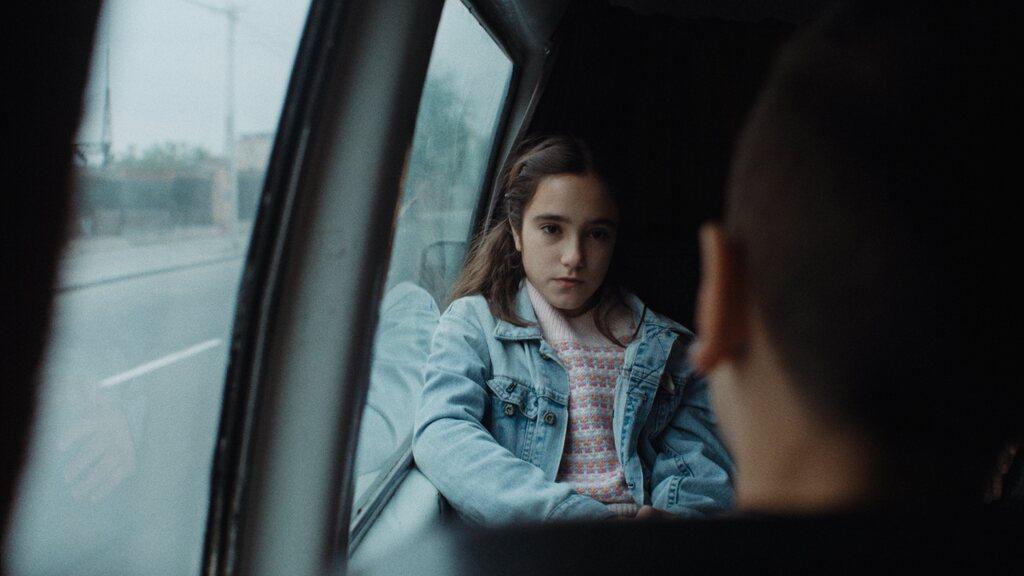
Taxi Moto, by Gaël Kamilindi, received the Drama Green Award
And an International Competition Special Mention was awarded to Guided Tour, byAlba Jaramillo.
🇮🇩 In Indonesia, the Minikino Film Week awarded one film.
The MFW Best Short Film of the Year was awarded to Birthmark, directed by George Peter Barbari. In their statement about their choice, the International Jury Board said: In many ways, it’s a political film that never actually talks about politics, and we are proud to support greater acceptance of gender and sexual diversity.
Birthmark
⭐️ And to finish this awards list, a spotlight on French animation made by students: Gold Medals at theStudent Academy Awards, an event that took place in Toronto during TIFF, were awarded to two French student films.
As well as Gauze, directed by Noran Friki Alebazi,Nicolas Arujah,Xinyue Ma,Yulin Yue, and Xiaonan Zhou, at ’Gobelins - L'École de l'Image.
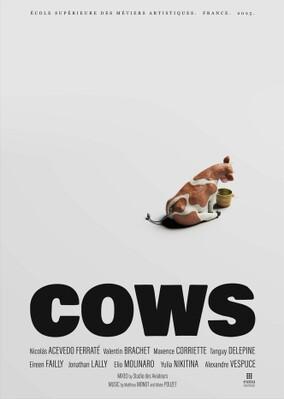
Cows
✈️ The following people received travel funding ✈️
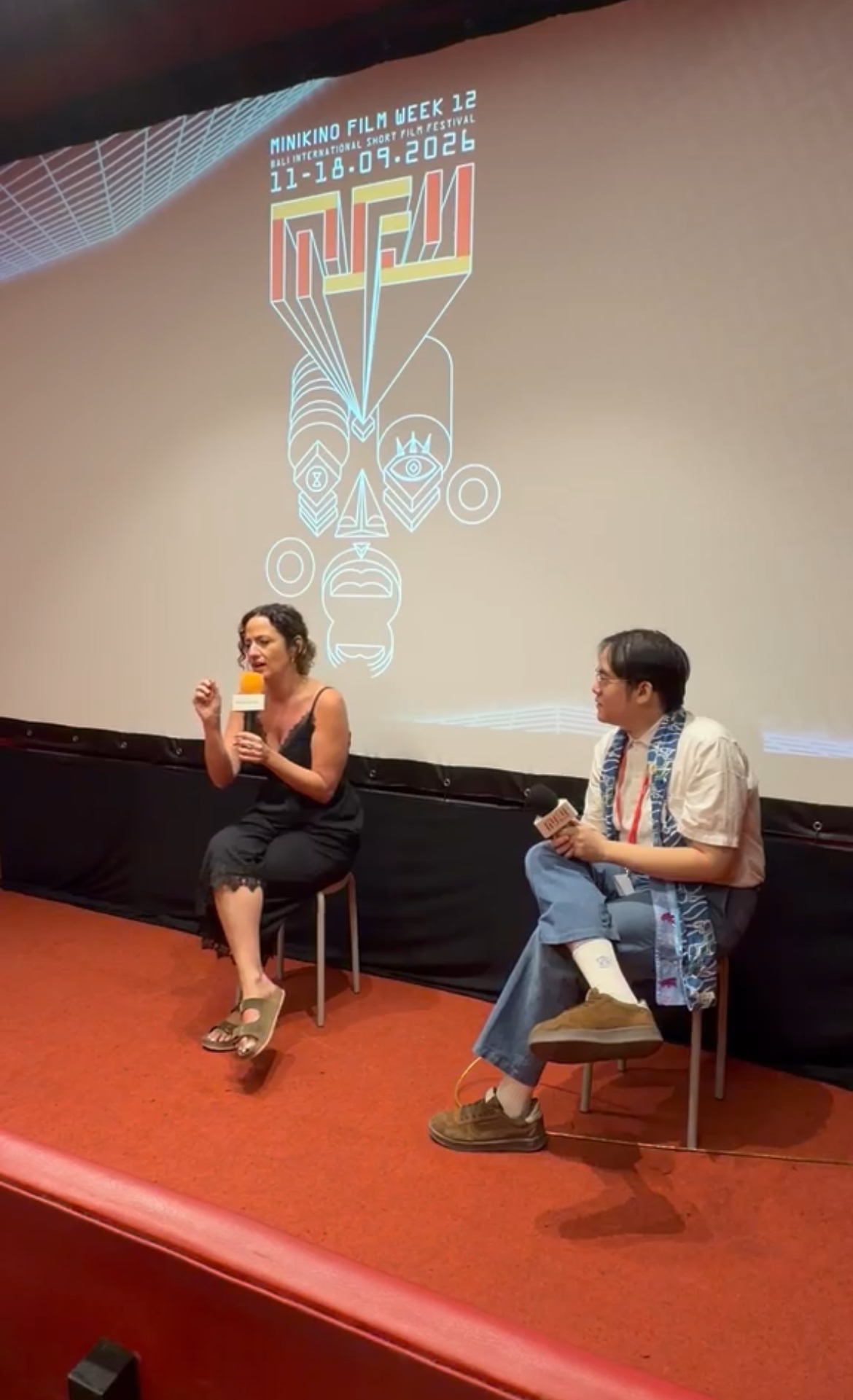
Mélissa Silveiratraveled to the Minikino Film Weekin Bali, Indonesia, to present her film Diego. Here's what she had to say:
“I was deeply moved by the warm welcome and the energy of the festival. What struck me most were the conversations with the audience after the screenings; it was very moving to see that the film could touch them so directly.I met other filmmakers from all over the world, and we were able to share some truly special moments together during the festival.Being invited to Minikino Film Week was a wonderful experience.”
Melissa Silveira
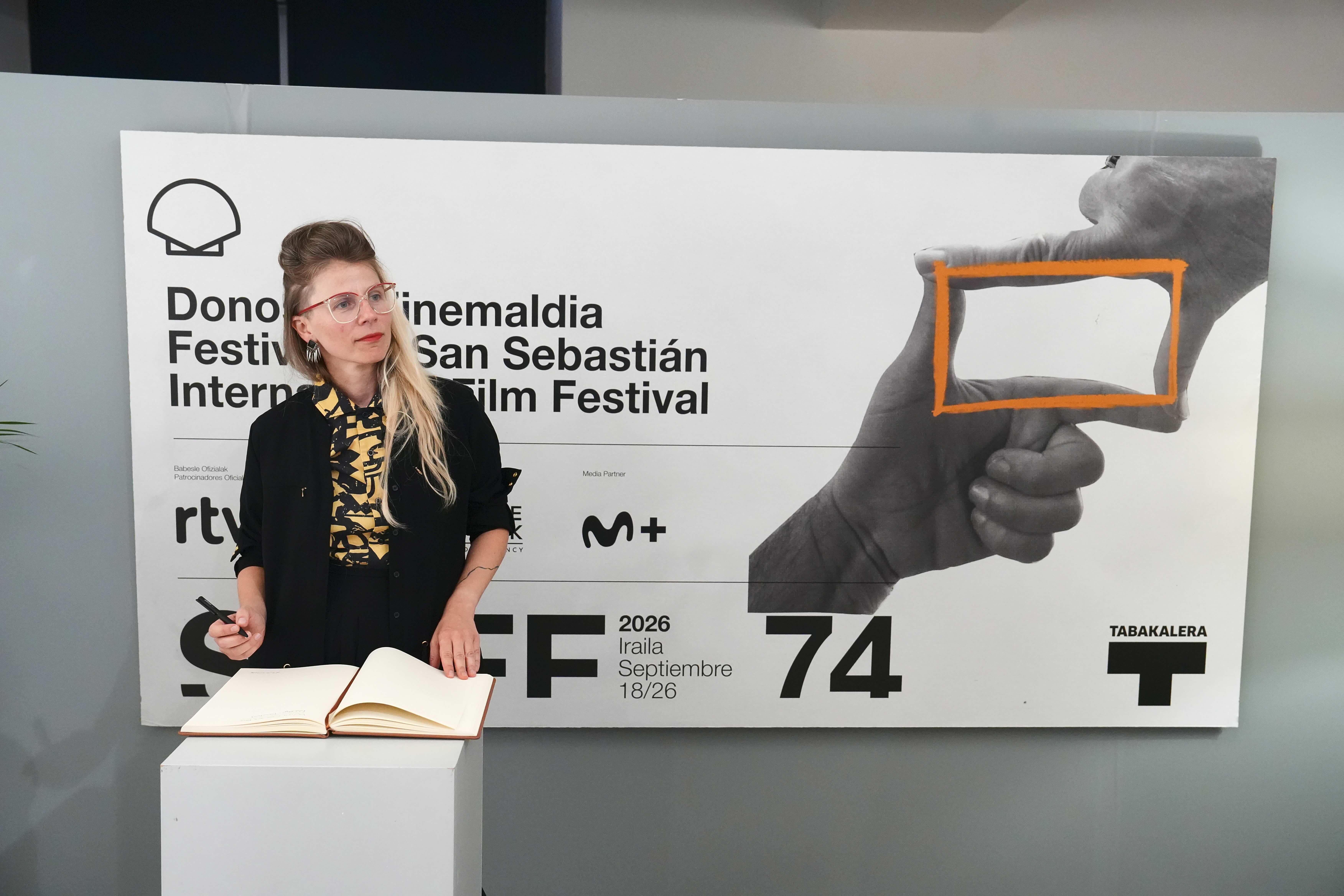
Bojina Panayotova, filmmaker of With Love and Rage, went to the San Sebastián International Film Festival, in Spain. She reports:
“The overall organization was excellent, and the screening conditions were exceptional—the theaters are magnificent. The Zabaltegi selection was very interesting.As for our screening, the reception was warm. I found it helpful to introduce my film, especially since a distributor and Spanish and international journalists came to talk to me after the screening."
Click this link to watch the official interview filmed during the festival.
Bojina Panayotova
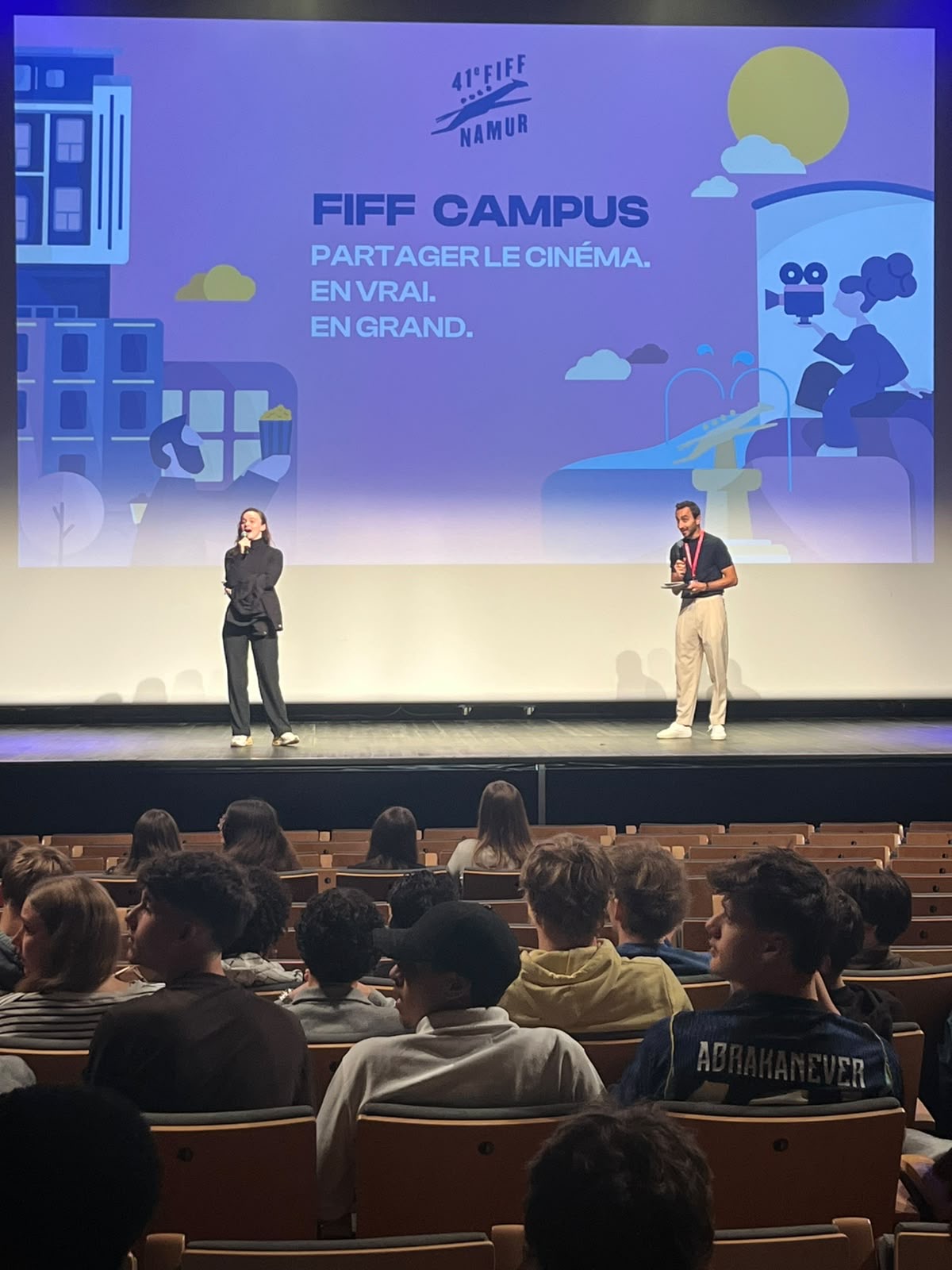
Charlotte Bienenfeld, director of The Left Behind, traveled to FIFF de Namur, in Belgium. Here is a summary of her experience:
“I had a wonderful time at the FIFF de Namur festival. The organization was top-notch and the atmosphere was very warm and welcoming. It was really interesting to meet so many French-speaking people from all over the world. The moderator of the Q&A for my film The Left Behind was great!The FIFF organizers introduced me to international festival programmers, directors, screenwriters, jury members, producers, and more…My participation was clearly beneficial for my film’s future. I was able to attend a meeting with Nicole Garcia, which was very inspiring.”
Charlotte Bienenfeld
🔹 All the selections 🔹
In September, French short films made a name for themselves in the following festivals:
⭐️ In Italy, the Venice Film Festival selected 21 French short films and immersive works, across all strands.
Orizzonti
Distant Blueby Amir Houshang Moein
Tropic of the Mourning Geckoby Stavros Markoulakis
Quelques instants de bonheurby Shaden Safieddine Tazi
Sasso, carta, forbiciby Virginia Mori
Los poderesby Salim Jaller
Official Selection (Out of Competition)
Halayon (Wild Asparagus)by Avi Mograbi
Venice Open - Out of Competition
They're Hereby Laura Poitras and Rachel Lauren Mueller
Venice Immersive – Biennale College
The White Saboteurby Barthélemy Antoine-Lœff and Hugo Arcier
Immersive Works - Official Competition
Sunset Motelby Gilles Jobin and Thomas Ott
Eyes of Shame (Gédos Akys)by Tomas Tamosaitis
Yesterday Maybeby Matthieu Van Eeckhout
Outrenoirby Gordon
Amsterdam 1652 : The Hands of the Cityby Vincent Slangen and Nienke Huitenga-Broeren
Artouby Abderrahmane Sissako
Everest : the First Ascentby Jean Dellac and Benjamin Auriche
Immersive Works - Out of Competition
Little Nightmares VR: Altered Echoesby Lucas Roussel
Spymasterby Jeremy Moirano
The Amusementby Marc Barnes and Eike Langbehn
Crafting Crimes: the Mona Lisa Heistby Chloé Rochereuil
Settimana della Internazionale Critica - Special Programs
Les Métamorphoses, au fémininby Maria Giménez Cavallo
Settimana della Internazionale Critica - Short Italian Cinema @SIC
If Things Could Ever Talkby Giulia Cosentino
Outrenoir
⭐️ In Spain, the San Sebastián International Film Festival selected three French short films.
Zabaltegi-Tabakalera
With Love and Rageby Bojina Panayotova
Someday A Childby Marie-Rose Osta
For The Opponentsby Federico Luis
⭐️ In Greece, at the Drama International Short Film Festival, 15 shorts represented France.
International Competition
The Flesh Dressby Joachim Hérissé
What Do the Maknines Dream Ofby Sarra Ryma
City of Owlsby Zhenia Kazankina
Taxi Motoby Gaël Kamilindi
Astronautaby Giorgio Giampà
Free Eliza (Notes Of An Anatomical Imperfection)by Alexandra Matheou
International Student Competition
The Chant of The Waterwayby Célia Berby Maillot
Minor Delugeby Ysé Sorel
National Competition
Free Eliza (Notes Of An Anatomical Imperfection)by Alexandra Matheou
Kiddo
Low Tideby David Noblet
Special Programs
Limboby Konstantina Kotzamani
International Documentary Competition
Your Cityby Ting Su
A Fighterby Aurélien Richard
If You Don't Like It, Look Awayby Margaux Fournier
Guided Tourby Alba Jaramillo
Taxi Moto
⭐️ In Indonesia, the Minikino Film Week presented 20 French short films.
Official Selection
Yo Yoby Mohammadreza Mayghani
Dammenby Grégoire Graesslin
Siham's Daughterby Marianne Barakat
Pacíficoby Daniel Duque
Carcassonne-Acapulcoby Marjorie Caup and Olivier Héraud
Pale Sunby Adrian Moyse Dullin and Jawahine Zentar
Diegoby Mélissa Silveira
Bleat!by Ananth Subramaniam
Winter in Marchby Natalia Mirzoyan
Nature Zeroby Stéphane Kikena
Cut!by Geoffroy Virgery and Louis Bujeau
I'm Glad You're Dead Nowby Tawfeek Barhom
Birthmarkby George Peter Barbari
A South Facing Windowby Lkhagvadulam Purev-Ochir
Easter Dayby Mykola Zasieiev
Kosmogoniaby Karolina Chabier
Souls of Foutaby Alpha Diallo
Saillieby Aude Thuries
Grandma Nai Who Played Favoritesby Chheangkea
The Left Behindby Charlotte Bienenfeld
Saillie
⭐️ In Canada, TIFF selected 10 French short films.
Short Cuts
2:Loveby Ronni Shalev
The Endby Niki Lindroth Von Bahr
The Day I Smoked a Cigarette With My Fatherby Sameh Alaa and Robin Vouters
Pleaseby Anna Mantzaris
Fried Chicken and Strip Checkersby Ophelia Harutyunyan
Terminalby Alexandre Siqueira
Wavelengths
Forever... Foreverby Johann Lurf
Ghazal-e Sorkh (غزالِ سرخ)by Maryam Tafakory
The Perspective (1653)by Ben Russell
Masao Adachi Takes a Passport Photoby Kamal Aljafari
Fried Chicken and Strip Checkers
⭐️ We wrap with a record-breaking 46 French short films presented in Belgium by the Festival International du Film Francophone de Namur.
International Competition
Please Holdby Solal Bouloudnine
Taxi Motoby Gaël Kamilindi
Retour à Majapahitby Noëmie Nicolas
The Last Springby Mathilde Bédouet
Free Eliza (Notes Of An Anatomical Imperfection)by Alexandra Matheou
Khufuby Mahmoud Assi
L'Automneby Sylvain Pioutaz
Sisters’ Swimby Lola Degove
The Lobstersby Maïa Descamps
Souls of Foutaby Alpha Diallo
Pourquoi vis-tu dans ce pays qui m'a tué ?by Hugo Mourard Mourard
First fireby Blanca Camell Galí
FIFF Campus
A Matter of Balanceby Amélie Prévot and Marion Christmann
A man’s heartby Chloë Danguy
Tigre et Renard : Les animaux aussi pleurent leurs mortsby Hélia Deplanque, Romain Verlinde, Clémence Cognot, Sully Desplats,and Arthur Davignie
Take Good Careby Mathilde Blanc
Low Tideby David Noblet
Sulaimaniby Vinnie Ann Bose
Pale Sunby Adrian Moyse Dullin and Jawahine Zentar
Scratchby Erwann Hette
Precious Fantasyby Nino Bouhnik
Méméby Anne-Sophie Diego
Lookby Rose-Payper René
Les Fragilesby Gahïs Idir and Mathéo Farget
Fleurs de Malvaby Anna Lys, Rémy Berlemont, Alice Hamel, Chen-Yun H, Ludivine Lebourg, Estelle Martin,and Agathe Ribout
Uncenteredby Damien Pelletier and Marion Boutin
The Night Bootsby Pierre-Luc Granjon
The Left Behindby Charlotte Bienenfeld
Le Jour des adultesby David Capsir
Achilleby Côme Webembe Tuitcheu and Yasmine Bennani
Bourreau des coeursby Camille Duvere, Inès Moussard, Antoine Genza, Ilian Belkilani, Sam Ripart,and Alexandre Julhe
Carcassonne-Acapulcoby Marjorie Caup and Olivier Héraud
Alfred had to flee his country because of the war. Homeless, he wanders from one rejection to the next. One day he meets Sonia, who invites him for coffee.
An animal fable about rejecting oppression, exile, and loneliness, and ultimately accepting others as a way to open up to the world, which has been screened at international film festivals.
The film can be watched for free worldwide until April 8, 2027 on YouTube.
Production co.: Les Films du Nord and La Boîte... Productions
Please find vie the link a round-up of international industry news from the past two weeks, compiling the most relevant articles from the trade and general press, covering international developments in cinema, streaming platforms, television and exhibition.