

The end of the year is approaching, and with it, time to take stock; in fact, we’ve just published the final box office figures for French films in 2025 on our website. In 2026, French films are holding their own abroad. In the film sector, we will undoubtedly have to contend with a decline in admissions, but the year has also seen some outstanding successes, led by Philippe Lacheau’s Marsupilami and Rebecca Zlotowski’s A Private Life. We should also highlight the excellent performance of Cédric Klapisch’s Colors of Time in Japan. As for the audiovisual sector, despite the challenges, this is no time for resignation—far from it. Professionals remain vigilant in a highly competitive market, and our series, documentaries, and animated programs continue to make their mark on the global television landscape.

It is against this backdrop that the working groups of the Assises de l’Export for film and audiovisual media—so eagerly awaited by French professionals—are kicking off. This is a time for reflection and discussion aimed at improving support mechanisms and addressing a fundamental question: how can we further internationalize our works? Thank you to the CNC, which, true to its tradition of collaboration, is bringing the entire sector together for this essential collective effort during the period of upheaval on all fronts that we are currently experiencing. The strength of French exporters, recognized worldwide, will undoubtedly find new momentum here.
As we know, one of the paths to this internationalization is co-production: it allows us to transcend borders right from the writing stage, thereby enriching narratives and the imagination. It considerably broadens the artistic and cultural scope of our productions: we offer this opportunity to filmmakers from elsewhere, particularly when they can no longer shoot in their own countries. This is how Andrei Zvyagintsev’s Minotaur came to be—a film representing France in the race for the Oscar for Best International Feature Film. This richness—in perspectives as well as in genres and forms—also opens French works up to audiences around the world. With its unparalleled abundance and diversity on the international stage, French creativity does not have a single audience but many. Reaching out to them, country by country, is the very essence of Unifrance’s work.
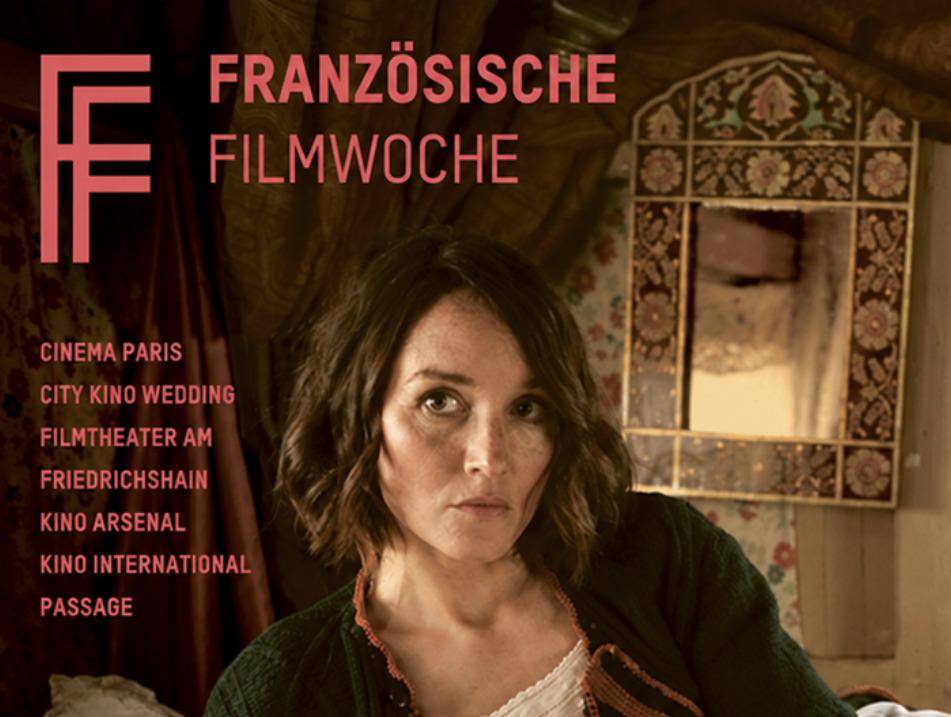
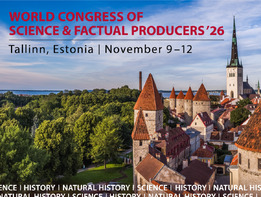
November fully showcases this. Documentaries are featured at the World Congress of Science and Factual Producers and at IDFA. Our animated films are making their way around the world thanks to World Animation Day and our MyFAD initiative, launched in late October. TAFFF, Cinemania in Montreal, and French Film Week in Germany are taking our works here and there to captivate audiences and forge a connection with them. Finally, the month will conclude with the very first edition of Séries Express: four French series will be presented to Belgian and Dutch audiences in Brussels and Amsterdam, with the creative teams in attendance.
I thank each and every one of you for your daily commitment. It is indeed your passion, your determination, and your talent—each in your own role and through your willingness to take risks—that drive the success of the French film and television industries both domestically and internationally; it is also thanks to all of you, and to our unparalleled support system, that French production can demonstrate such vitality and diversity—essential for touching, surprising, and moving audiences around the world, time and time again. Unifrance will do everything in its power to preserve this wonderful momentum for the sake of creative freedom and our democratic cultural ideal.
Daniela Elstner, Executive Director of Unifrance